
Catalog NumberSizePrice (USD)Shopping Cart
RA14129100 ul$250.00Buy Now | Add to Cart
 
Type: Rabbit IgG
 
Applications: IHC
ICC=Immunocytochemistry; IF=Immunofluorescence; IHC=Immunohistochemistry; WB=Western blotting; FC=Flow Cytometry; IP=Immunoprecipitation; E=ELISA; NB=Neutralization of Bioactivity; FACS; FM=Fluorescent Micsroscopy; ; FPLC=Fast Protein Liquid Chromatography; GF=Gravity Flow; HPLC=High Performance Liquid Chromatography; TPE=Targeted Protein Expression; ; ; AC=Adherent Cell Assays; ; ; NAC=Non-adherent Cell Assays; ; ; BSC-CM5= Biacore Sensor Chip CM5; ;
Species Reactivity: H; R
B=Bovine; Ca=Cat; Ch=Chicken; D=Dog; EQ=Equine; GP=Guinea Pig; H=Human; M=Mouse; P=Porcine; Pr=Primate; R=Rat; Rb=Rabbit; Y=Yeast; Xe=Xenopus; Ze=Zebrafish; ; ; ; NA-Not Applicable; STP=Step-Tactin Proteins
Format: Affinity Purified - liquid
 
Immunogen: CSGPGRFMAREQ
 
Description/Data:
Picture
The acid-sensing ion channel family (ASIC) comprises six discrete ASIC subunits (ASIC 1A, ASIC 1B, ASIC 2A, ASIC 2B, ASIC 3, ASIC 4) that detect tissue acidosis (i.e. a decrease in pH). This acidosis phenomenon is a  response to tissue injury, pain and inflammation.


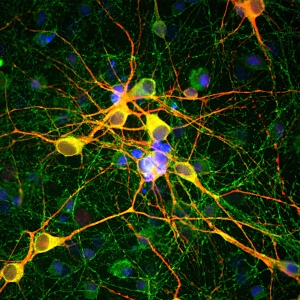
Image: ASIC 2B staining of rat dorsal root ganglia using anti-rabbit Cy3 (red color) secondary antibodies.