
New Peptides for COVID-19 Research
As always, Neuromics is looking to expand our offering of products to make sure researchers have the tools they need. Considering the times we're in, SARS-CoV-2 research reagents is an area there is a need we're looking to fill.
Last month, IBA Lifesciences released a number of new peptides for SARS-CoV-2 research. As many of you already know, Neuromics is IBA's United States distributor, giving us and our customers access to these six new peptides.
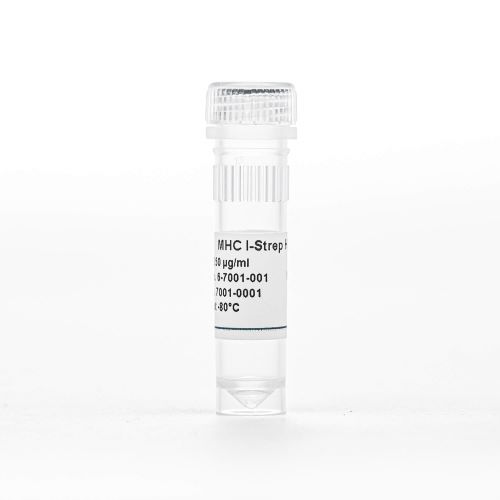
The six peptides are recombinantly expressed MHC class I molecules that present a peptide from the SARS-CoV-2 virus. The various molecules present different peptides from the virus, allowing for specific research targets.
Using these molecules in combination with the MHC I Streptamer® approach, applications include fluorescent cell staining and sorting, magnetic cell isolation, and affinity chromatographic cell isolation.
Read more to view the products and learn more.
New Fibroblast Cells and More Research
As always, there are exciting things happening behind the scenes at Neuromics. This week, we added three cell lines of human fibroblasts. In addition to the new cells, we also received a publication with researchers using human cells from Neuromics.
Like I said, we are now offering three human fibroblast cell lines. They are HEL 299 cells (cat.no. HEL001), MRC-5 cells (cat.no. MRC001), and WI-38 cells (cat.no. WI001). All three are immortalized cell lines derived from fetal lung tissue in the 1960s. These cell lines are known for their use in vaccine research and production, but have many other applications.
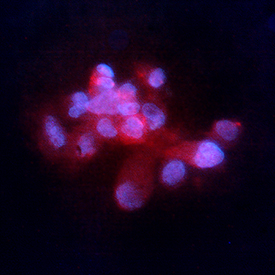
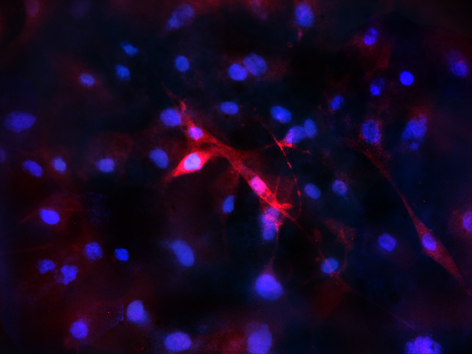
Image: Neuromics human brain microvascular pericytes stained with VWF/Factor VIII (dilution 1:100). Secondary antibody conjugated to Alexa 594 (red) and counterstained with DAPI (blue). Cells were mounted using iBrite mounting media.
Moving on to the new publication, last month, researchers from the University of Copenhagen published research on glioblastoma surgery using our human brain astrocytes (cat.no. HMP202) and human brain microvascular pericytes (cat.no. HMP104).
Read more to learn more about the publication...
New Brain Cancer Cells
To better equip researchers, Neuromics continuously strives to expand our portfolio of human cells and tissue. This past week, we've done just that, adding two new lines of human brain cancer cells.
The first new cells are LN-319 cells, a line of tumorigenic human brain epithelial cells. LN-319 cells are derived from a left malignant glioma of a 69 year old Caucasian male with anaplastic astrocytoma grade III.
The second line of cells is SF-295 cells. These cells are derived from the tumor of a 67 year-old female glioblastoma patient.
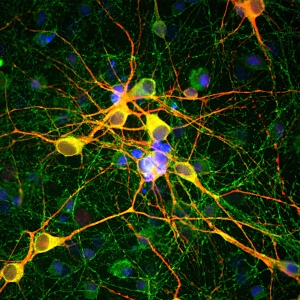
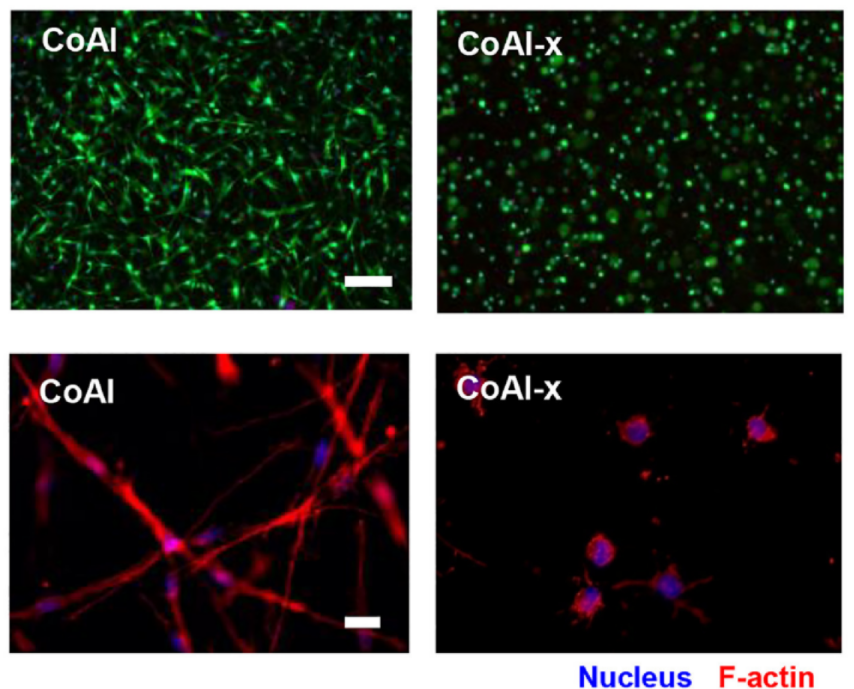
Image: Fluorescence images of colorectal tumor CAFs (Cat.# CAF115) cultured in CoAl hydrogels counterstained with live (green) / dead (red) dyes (top, scale bar=200 µm) and nucleus (blue) / F-actin (red) (bottom, scale bar=20 µm). Courtesy of Huan Cao, et al., Nanyang Technological University
Learn more about these cells...
New ACE2-GFP Human Cells
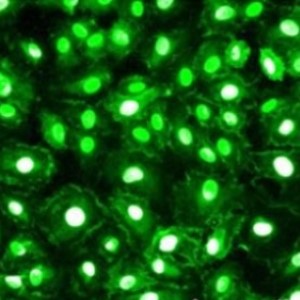
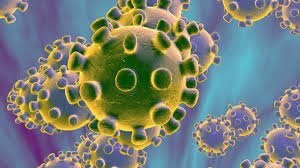
As the COVID-19 pandemic continues, we’ve added more human cells to our expanding list of products for COVID-19 research. Our new ACE2-GFP cell lines include smooth muscle, endothelial, and epithelial cells from organs that are most affected by the virus.
Studying how the coronavirus attacks these cells is crucial to understanding both the short-term and long-term effects of the virus. With these cells, researchers can better understand the underlying biology of the COVID-19 virus and its effects on the respiratory and pulmonary systems.
Read more to see the new cells.
New Human Brain Cells
Neuromics continues to expand our wide selection of human cells. We've just added seven new types of human brain cells with research applications across many areas.
These new human brain cells all have specific research uses, as they have been modified to express various proteins. Our new offerings includes GFP expressing microglia cells, VE-cadherin-GFP expressing microvascular endothelial cells, microvascular endothelial cells expressing GFP-AEQOURIN in mitochondria, RFP expressing glioblastoma cells, and GFP expressing glioblastoma cells.
Image: HBMECs stained with Claudin-5
We encourage you to read more to check out all of our new cells.