



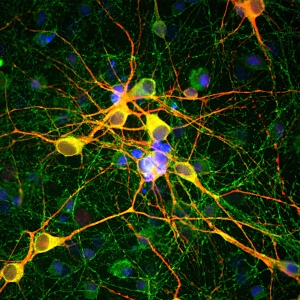
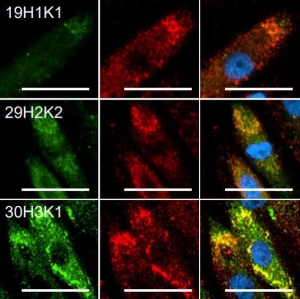

If you're using human cell-based assays to research neurodegenerative diseases, your work demands consistent and reliable human neural cells. Neuromics has you covered, with an impressive history of customers using our human cells to study neurodegenerative diseases.
Some examples from the past few years:
- Our primary human neurons (cat. HNC001) linked long COVID to Alzheimer's disease (AD) (check it out).
- The mechanisms connecting periodontitis and AD were explored with our 3D human blood-brain barrier model (cat. 3D45002) (learn more).
- Researchers explored how Semaphorin 4D expression leads to neurodegenerative diseases in our human brain astrocytes (cat. HMP202) (read more).
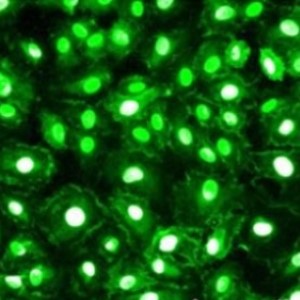
Image: Neuromics Human Brain Microvascular Endothelial Cells (cat. HEC02) stained with CD146.
Then, just last week, scientists from Imperial College in London used our primary human brain microvascular endothelial cells (HBMECs) (cat. HEC02) in an AD study.
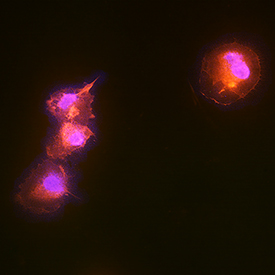
The scientists profiled the epigenome of several brain cell types, including our HBMECs, to better understand how various genes in different cell types increase the risk of dementia, AD, and cerebral small vessel disease (SVD). The findings highlight some regulatory mechanisms and therapeutic targets in the brain for the neurodegenerative diseases. You can check out the full paper here.
Our ever-growing selection of human neural cells includes several types of primary cells, cell lines, and iPSC-derived cell types. You can explore them all here. Furthermore, you can peruse all customer publications using them here.