



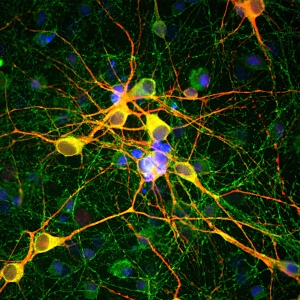
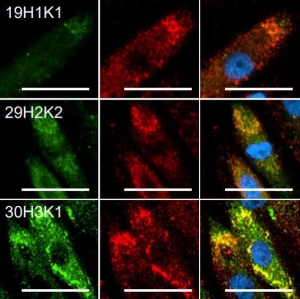

Antibodies You Can Trust
Neuromics specialize in providing reagents and methods for the Neuroscience, Immunology, Cancer, Stem Cell and Regenerative Medicine Research Community. We serve scientists doing basic research and drug discovery in Neurodegenerative Diseases, Pain, Autoimmune Diseases and Cancer. Our unique value is based on providing reagents that are thoroughly tested and characterized.
ABCA1, ASIC3, and MOR
ABCA1
You are doing some amazing research. I'm excited to share with you a small sampling of the interesting research being done with Neuromics solutions.
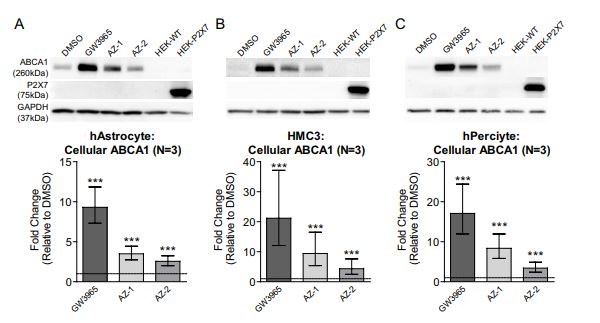
First I'd like to share a recent publication using our ABCA1 Antibody: Jianjia Fan, Rui Qi Zhao, Cameron Parro, Wenchen Zhao, Hsien-Ya Chou, Jerome Robert, Tarek Z. Deeb, Carina Raynoschek, Samantha Barichievy, Ola Engvist, Marcello Maresca, Ryan Hicks, Johan Meuller, Stephen J. Moss, Nicholas J. Brandon, Michael W. Wood, Iva Kulic, Cheryl L. Wellington. (2018). Small molecule inducers of ABCA1 and apoE that act through indirect activation of the LXR pathway. Journal of Lipid Research. doi: 10.1194/jlr.M081851
Fresh Antibodies for Fall Research
With fall research already starting or quickly approaching, there is no better time to stock up on the reagents needed to enable discoveries. Fortunately, Neuromics has your back. In addition to our human cells, FBS, and media & culturing tools, among others, we've just added over 40 new antibodies.
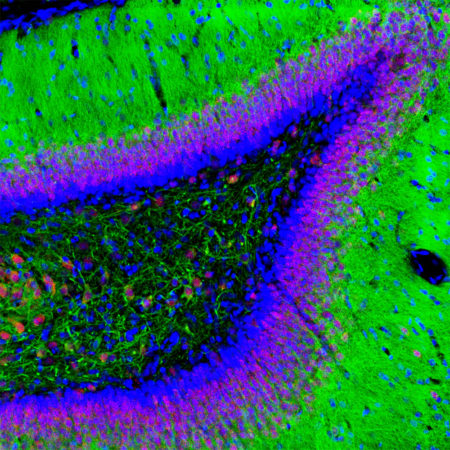
Image: Immunofluorescent analysis of a section of adult rat hippocampus stained with a new goat pAb to Fox3/NeuN, GT22106, dilution 1:2,000 in red, costained with mouse monoclonal antibody to MAP2 in green. Nuclear DNA was revealed in blue using the DAPI stain.
These antibodies are perfect for researchers across a broad spectrum of specialties. There are antibodies for neuroscientists, including markers for CNS cells and neurological disease, including TBI and neurodegenerative diseases. Furthermore, these new antibodies cover cancer research, cardiovascular research, and so much more. Read more to see for yourself.
In addition to these new antibodies, Neuromics has an existing selection of research proven antibodies with a wide variety of applications. Explore them here. Many of these antibodies are currently on sale and 20% off! Check out the on sale antibodies here.
ATP and Pain
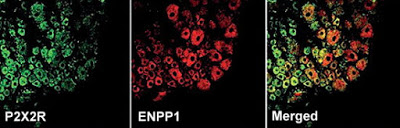
In dorsal root ganglion (DRG) neurons, ATP is an important neurotransmitter in nociceptive signaling through P2 receptors (P2Rs) such as P2X2/3R, and adenosine is also involved in anti-nociceptive signaling through adenosine A1R.
Check out this publications using our P2X2 Receptor (GP14106) Antibody, where ENNPs interact with P2XRs to metabolize ATP to AMP in DRGs.
Image: Rat DRG stained with Neuromics P2X2R and ENPP1.
Our Hearing Adapts in Space
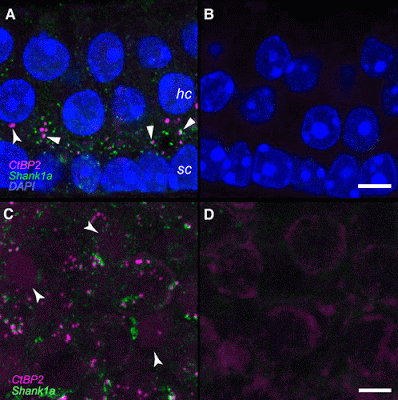
Our mission to Mars is driving a need to better understand the physiological impact on the human body. Deep space travel places unique challenges for humans. It is important that there is minimal impact on space travelers' senses. This includes hearing. This study uses our Shank 1a Antibody to determine changes in the neuronal structure of the ear in microgravity.
Top Image: Verification of antibodies to CtBP2 and Shank1a. A and B: serial 14-µm cryosections were obtained from a postnatal day 71 (P71) mouse utricle, and maximum-intensity projections are shown. Hair cell (hc) and support cell (sc) nuclei are illuminated by the DAPI stain (blue). Numerous closely associated CtBP2-and Shank1a-positive puncta can be observed in the positive immunostained section represented in A (block arrowheads). The CtBP2-positive puncta highlighted by the flared arrowhead in A may represent an undocked synaptic ribbon. No primary antibodies were included in the processing represented in the micrograph in B. The scale bar in B represents 5 µm and also applies to A. C and D: maximum-intensity projection micrographs from right and left whole mount utricles from a P65 mouse...
Staining Cells and Tissue
Having problems with bad backgrounds? Does this problem compromise your data?
Worry no more, because we have a solution...
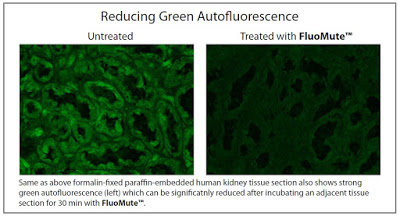
FluoMute™ ready-to-use reagent reduces autofluorescence in cells and tissue. Just incubate fixed cells of tissue sections with FluoMute™ for 30-60 min at room temperature, rinse with PBS and continue with immunofluorescence ICC or/and IHC protocols.
Markers for Tyrosine Hydroxylase (TH)
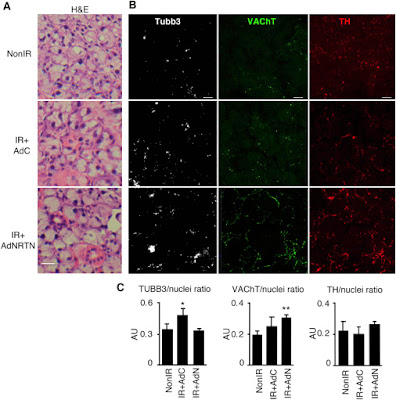
Tyrosine hydroxylase TH is a necessary enzyme to create neurotransmitters and protect the body against oxidative stress.
Dysregulation of this enzyme results in manic-depression and schizophrenia. Parkinson's disease is also considered a TH deficiency as low dopamine levels are a consistent neurochemical abnormality.
Image: TH staining of mouse salivary gland tissue. https://doi.org/10.1016/j.omtm.2018.02.008
New Antibodies
Neuromics is excited to tell you about new antibodies to our catalog.
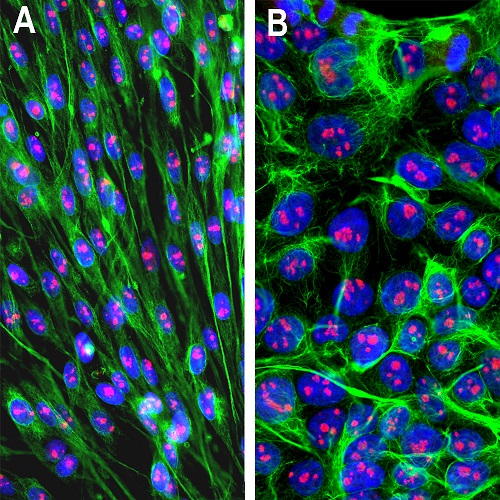
Image: Immunofluorescent analysis of (A) C6 rat glioma cells and (B) Human embryonic kidney cells stained with mouse mAb to fibrillarin, MO22169, dilution 1:1,000 in red, in both cases costained with chicken pAb to vimentin, CH22108, dilution 1:10,000 in green. The blue is DAPI staining of nuclear DNA.
New Antibodies to Explore
Neuromics is pleased to add a wide selection of antibodies perfect for many types of research. In particular, we've added Ankyrin 3/Ankyrin G antibodies, FABP7 (Fatty Acid-Binding Protein 7) antibodies, and many more.
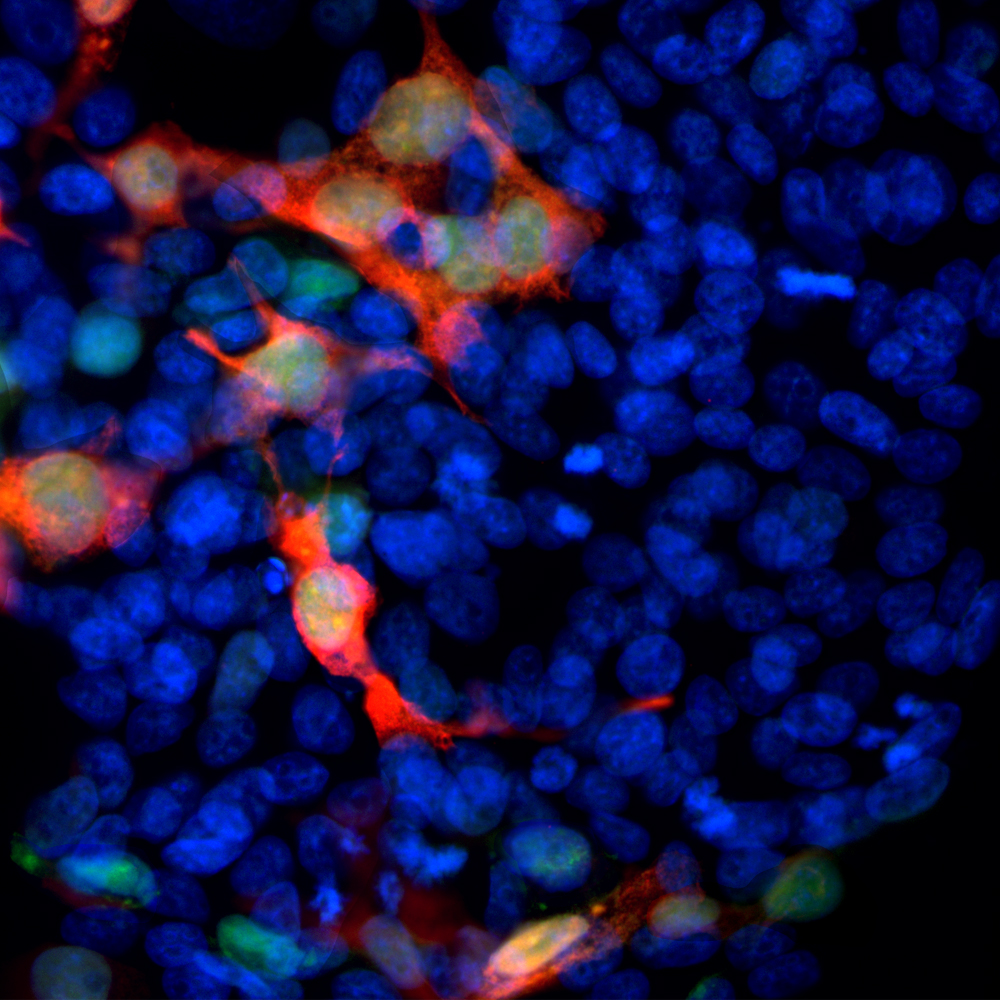
Image: Immunofluorescent analysis of transfected HEK293 cells with a GFP-construct in green stained with mouse antibody to GFP, MO22184, dilution 1:1,000 in red. The blue is Hoechst staining of nuclear DNA. The MO22184 antibody reveals GFP protein expressed only in transfected cells, as a result transfected cells are appeared express both red and green signals and so appear an orange-golden color. Untransfected cells show neither signal.
Check out the new antibodies below...
Your Data - Our Products
It's always great to hear from our clients and see the data that is being generated using our products. The following are examples of data being generated from people like you using Neuromics' products.
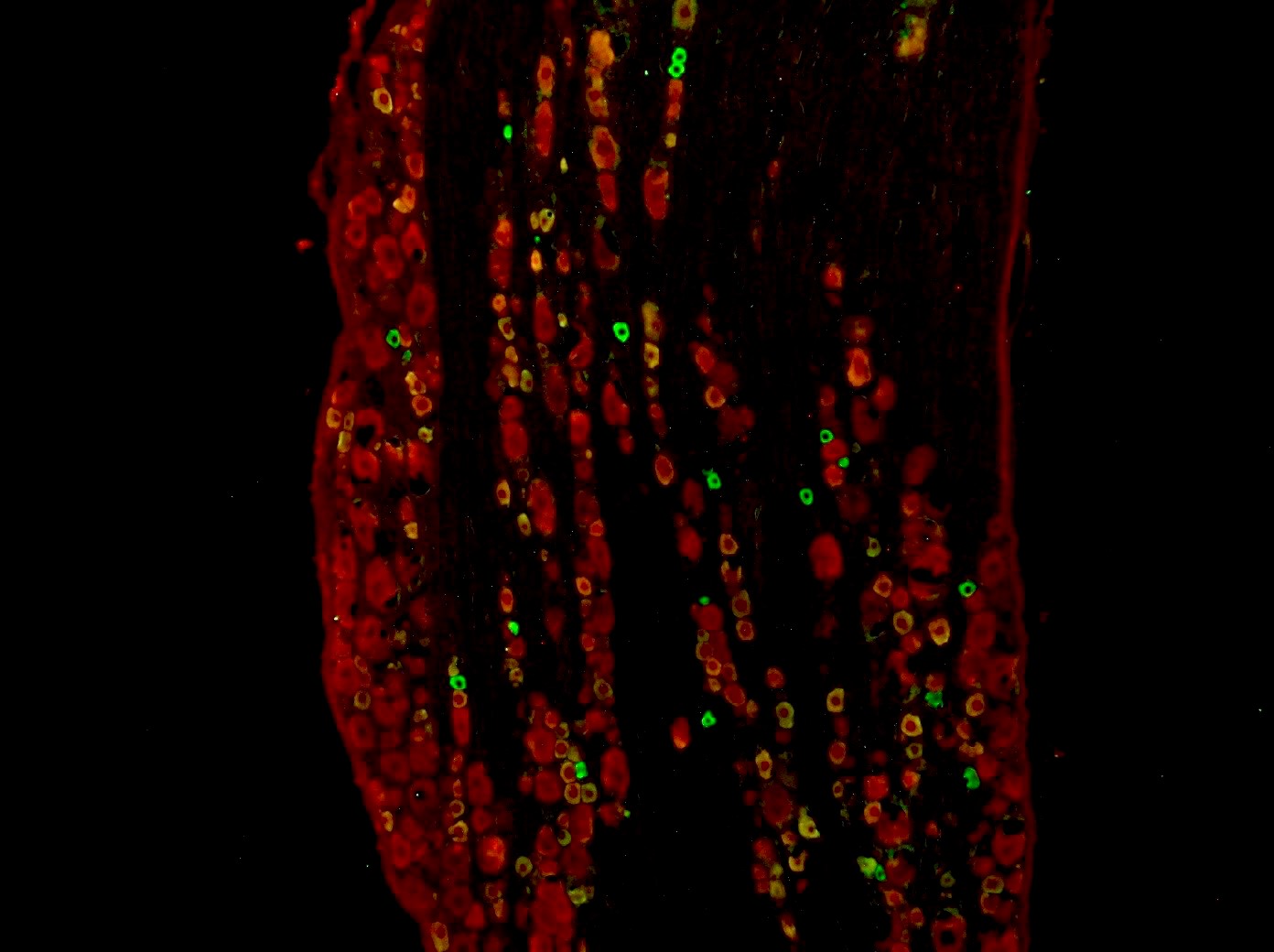
Rat DRGs stained with VR1 antibody (cat# RA10110). The tissue was perfused, cryoprotected in 30% Sucrose-PBS and frozen sectioned to slides at 10um. The tissue was labeled with VR1 (green) at 1:1000 and NeuN (red) at 1:1000. This pictures was taken with an epifluorescent microscope at 10x. Thanks to Joanne Steinauer at University of California, San Diego for sharing
Easy Immunostaining Staining
Time is money. This is especially true of routine immunostaining assays.
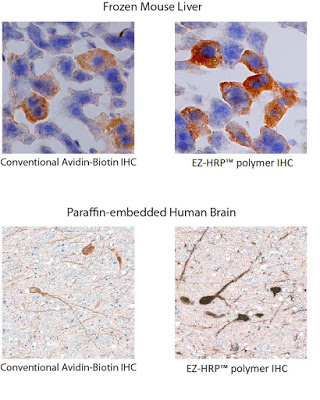
Thus, we are pleased to introduce you to EZ-HRP™ Polymer Detection. EZ-HRP™ Polymer Detection's features allow its users to save time, and as a result, money.
Image: Comparison of IHC images using EZ-HRP™ Polymer vs. a conventional avidin-biotin antibody.
New Neuronal Markers
We continue to add new antibodies. Many are additions to our frequently used and widely published Neuron-Glial Markers. All our products are tested, characterized and research ready.
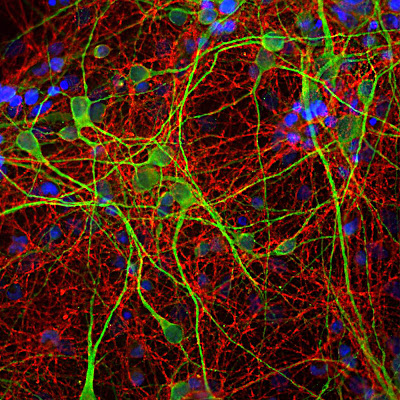
Image: Immunofluorescent analysis of cortical neuron-glial cell culture from E20 rat stained with mouse mAb to GAP43, MO22170, dilution 1:1,000, in red, and costained with chicken pAb to MAP2, dilution 1:10,000, in green. The blue is DAPI staining of nuclear DNA. GAP43 antibody labels protein expressed in the axonal membrane of the neuronal cells, while the MAP2 antibody stains dendrites and perikarya of neurons.
Check out our new antibodies...
Calbindin Antibodies
Neuromics is pleased to offer a selection of Calbindin-1 antibodies that are perfect for reserach across a wide variety of areas. These research proven antibodies are some of our most popular antibodies in part because of their flexibility. Our Callbindin antibodies can be used for western blotting, immunocytochemistry, immunohistochemistry, and immunofluorescence.
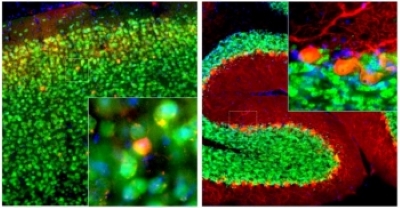
Image: Adult mouse cortex (L) and cerebellum (R) sections were stained with MO22163 in red. Calbindin is expressed in a subset of interneurons in the cortex (L) and prominently expressed in the dendrites of Purkinje cells in the cerebellum molecular layer (R).
Learn more about these antibodies...
Blood-Brain Barrier Publication
As always, Neuromics greatly appreciates when our products are used in publications. The most recent publication shared by customers took advantage of our mouse Tuj-1 antibody (Cat.#MO15013). In this publication, researchers describe how they created an ex vivo 3D vascularized neural constructs that mimics the function of the blood-brain barrier.
Image: The neurovascular interface containing Tuj1+ (green) neurons differentiated from NSCs (in spaces surrounding the vasculature network) and Claudin-5+ (red) endothelial cells (inside the microfluidic channels). Scale bar, 500 μm. Image citation below
Citation:
Haibing Yue, Kai Xie, Xianglin Ji, Bingzhe Xu, Chong Wang, and Peng Shi. (2020). Vascularized Neural Constructs for Ex-Vivo Reconstitution of Blood-Brain Barrier Function. Biomaterials. doi: 10.1016/j.biomaterials.2020.119980
Learn more...
Blood-Brain Barrier Antibodies
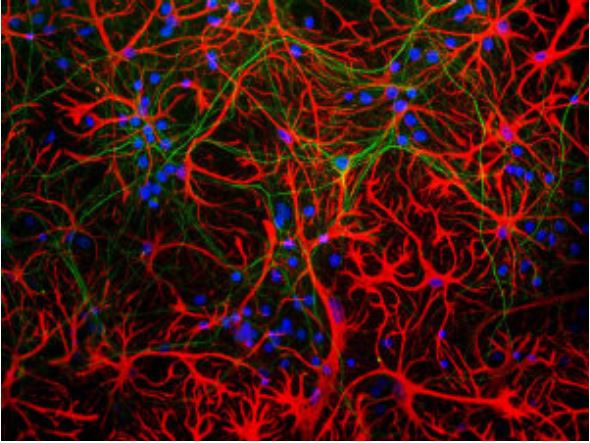
The blood-brain barrier has become a focal point of drug discovery and toxicology research. Understanding the complicated mechanisms of the blood-brain could lead to many new treatments and therapies. Neuromics offers a selection of research proven antibodies perfect for BBB research.
Image: Mixed neuron-glial cultures stained with Mouse Monoclonal GFAP (MO22136), and Chicken Polyclonal Neurofilament-NF-L(green). The GFAP antibody stains the network of astrocytes in these cultures, while the NF-L antibody stains neurons and their processes. The blue channel shows the localization of DNA. This antibody also works on formalin fixed paraffin embedded brain tissues. Protocol on Datasheet.
Linked are customer publications using our GFAP and Nestin
Check out these antibodies...
New Cluster of Differentiation (CD) Antibodies
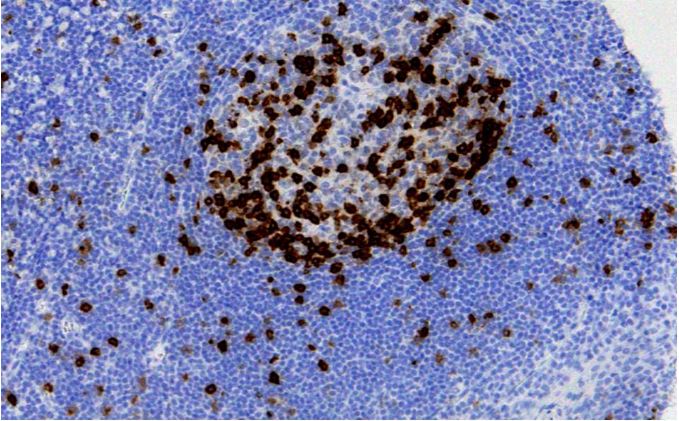
Cluster of Differentiation proteins are a collection of cell surface molecules with many members. Cluster of Differentiation proteins have been shown to be pivotal to both cancer research and immune response research. Now, if you're looking to use CD antibodies in your research, it's your lucky day! Neuromics has just added 13 CD antibodies to the website.
Image: Immunohistochemistry staining of MO47044 on human tonsil tissue.
To access the complete list of CD antibodies offered by Neuromics, click the link.
Check out the new antibodies below...
Our Antibodies Are Crushing Neuroscience Research
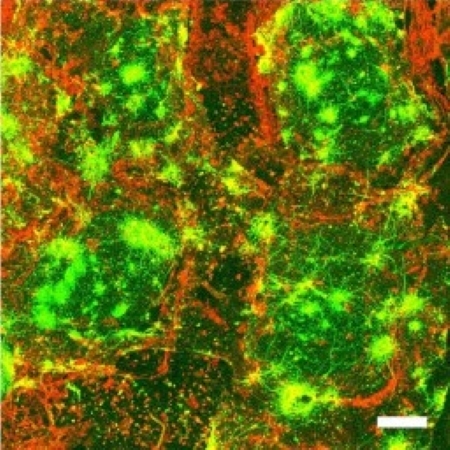
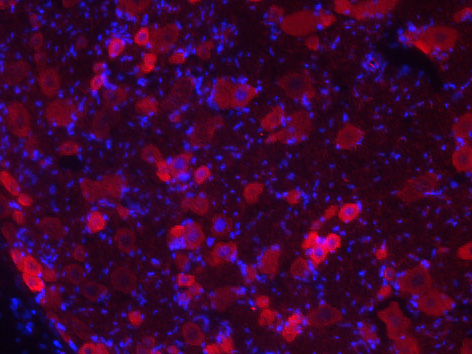
When Neuromics opened in 2005, we solely provided neuroscience research antibodies. While we have expanded our selection products beyond neuroscience research antibodies, these antibodies remains at the core of our business. That's why it's still satisfying to see publications from customers using these antibodies (view them all here), like in three neuroscience publications new this month we'd like to highlight.
In the first publication, Iwate Medical University scientists studied the morphology of P2X3 in rat models utilizing our rabbit anti-P2X3 antibody (cat.# RA10109). Specifically, the investigators explored how P2X3-immunoreactive nerve endings and serosal ganglia interact in the rat gastric antrum.
Image: P2X3 (RA10109) Staining in Rat DRG. Working dilution 1:100 - 1:300.
Read more to learn about the other two publications...
Our Tuj-1 Antibody Is the Real Deal
Already this year, our Chicken Tuj-1 (Neuron-specific Class III beta-Tubulin) antibody (Cat.# CH23005) has been used in two publications, demonstrating the versatility and reliability of this antibody. This trend isn't new, as our Tuj-1 antibody has always been one of our most popular and research proven antibodies (here's our proof). Today, Neuromics would like to highlight its use in neurodegenerative disease and neurodevelopment research. However, no matter what type of neuroscience research you're engaged in, we encourage you to check it out!
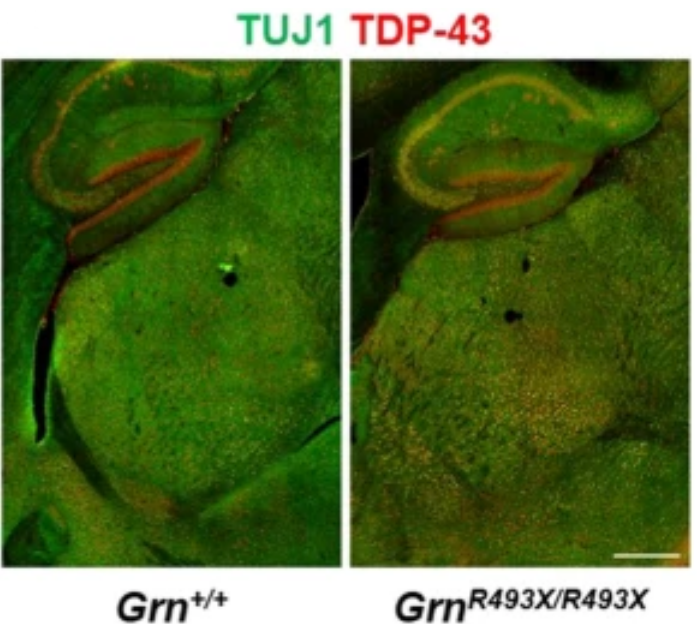
Earlier this month, in the first publication we'd like to highlight, researchers from the University of British Columbia released their neurodegenerative disease research while utilizing our Chicken Tuj-1 antibody. Their research took advantage of a recently developed mouse model bearing a nonsense mutation at arginine 493 (R493X). This mutation has been shown to play a role in development of frontotemporal lobar degeneration (FTLD), which causes a clinical presentation of frontotemporal dementia.
Image: Representative hippocampal/thalamic tilescans highlighting the neuronal (TUJ1, green) TDP-43 (red) proteinopathy phenotype in the ventral thalamus of 18 month old GrnR493X/R493X mice (scale bar, 500 µm).
Read more to learn about their findings and the second publication...
New PGP 9.5 Publications
We have research proven antibodies with uses across a wide variety of research areas. Our PGP 9.5 antibody (Cat.# GP14104) exemplifies this, being used in two studies that were published this past week highlighting the many fields in which our antibodies are applicable. Find all customer publications using our PGP 9.5 antibodies here.
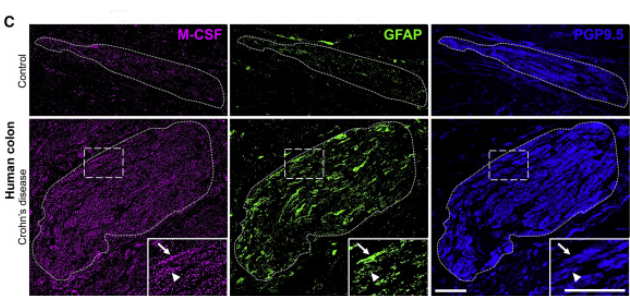
The first study looked at how the immune system and neural system interact to cause abdominal pain. Specifically, they found that enteric glia play a role in connecting the two by disrupting the glial-mediated activation of macrophages. This suggests that enteric glia could be a focus of potential therapies of abdominal pain.
Top Image: Images showing immunolabeling in colon samples for M-CSF in human myenteric ganglia from individuals with Crohn disease along with control colon samples from patients that underwent resections for bowel trauma, volvulus, or intestinal bleeding.
Learn more...
GFAP Publications
We value feedback from our customers and take pride in seeing our products being used in meaningful research. Today, we'd like to highlight two recent publications using our GFAP antibodies in neurodegenerative disease research.
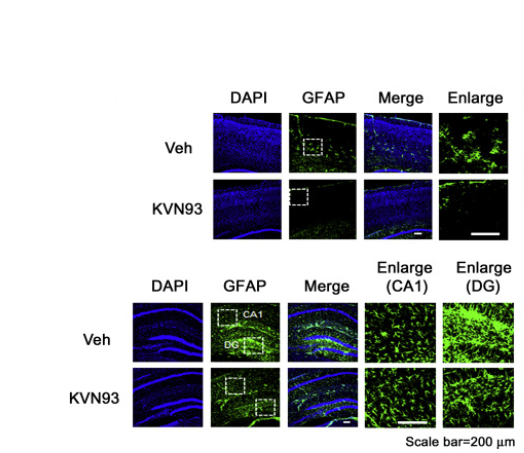
In the first publication, our rabbit GFAP antibody was used in a study that looked at how the DYRK1A inhibitor KVN93 regulates cognitive function, amyloid beta pathology, and neuroinflammation. Using a mouse model, they found that KVN93 reduced amyloid beta plaque levels, enhanced long term memory through better dendritic synaptic functions, and decreased neuroinflammation. These results suggest that KVN93 is a potential therapeutic drug for the treatment of Alzheimer’s disease and other neurodegenerative or neuroinflammation-related diseases.
Top Image: GFAP levels in the cortex and hippocampal CA1 (top) and DG regions (bottom) of 3-month-old 5x FAD mice injected with KVN93 or vehicle. KVN93 significantly decreases Aβ-mediated microglial and astrocyte activation in 3-month-old 5x FAD mice.
Learn more...
More New Antibodies
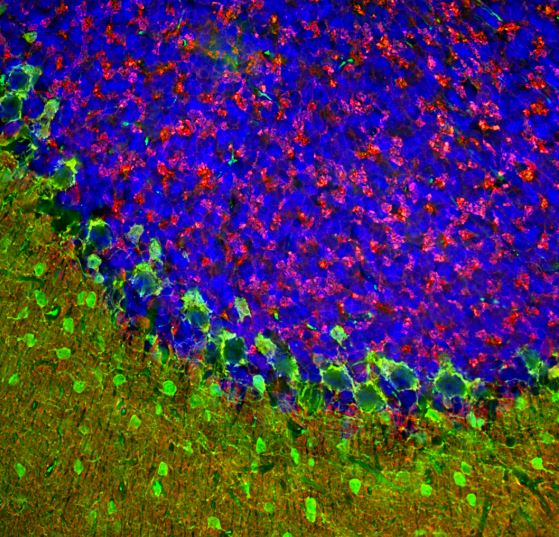
At Neuromics, we strive to continuously expand our catalog of antibodies to make sure researchers can find the reagents they need. We'd like to highlight several new antibodies that have been added in the past week that are great for research across a wide variety of areas. These new antibodies include markers for Mylein Basic Protein, PEA-15, Beta-Synuclein, and Annexin A5 which can be used to make great immunofluorescent or western blot images.
Image: Immunofluorescent analysis of rat cerebellum section stained with rabbit pAb to beta-synuclein, RA22141, dilution 1:1,000 in red, and costained with chicken pAb to parvalbumin dilution 1:5,000 in gree. The blue is Hoechst staining of nuclear DNA.
Learn more...
Endless Antibody Applications
We often highlight the countless areas of study that our antibodies can help researchers. We encourage you to check out all our primary antibodies here along with the many applications they've been used for here.
Now, the three most prominent and common uses for our antibodies are in cancer, neuroscience, and pain research. Well, what do you know? Already this month, new research has been released utilizing our antibodies in those three corresponding areas. We'd like to highlight those studies below.
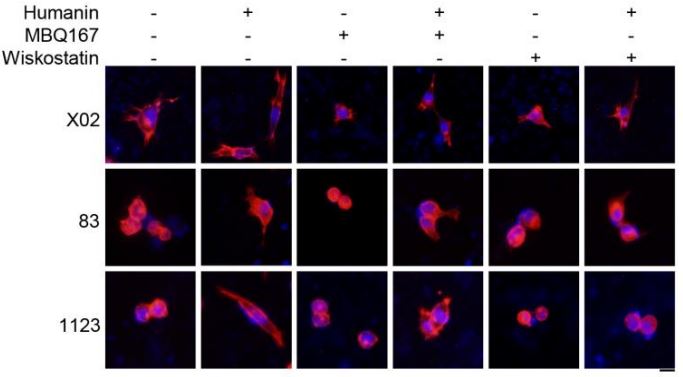
Image: Staining of various glioblastoma cell lines with Neuromics Humanin antibody (cat. RA19000).
In the first study, Korean researchers used our Humanin rabbit polyclonal antibody (cat. RA19000) to study glioblastoma progression. In their release of preliminary research, the investigators found humanin to encourage glioblastoma progression via the integrin alpha V (ITGAV)–TGF beta (TGF) signaling axis. Read the full publication here.
Another Pain Antibody Pub
A couple months ago, we published a blog post highlighting the 20+ years of results our pain antibodies have demonstrated (learn more here). It didn't take long into 2023 to add on another year to the total. Earlier this month, researchers from the University of Texas Health Science Center at San Antonio published preliminary findings with the help of Neuromics' Guinea Pig VR1 C-Terminus/TRPV1 antibody (cat. GP14100).
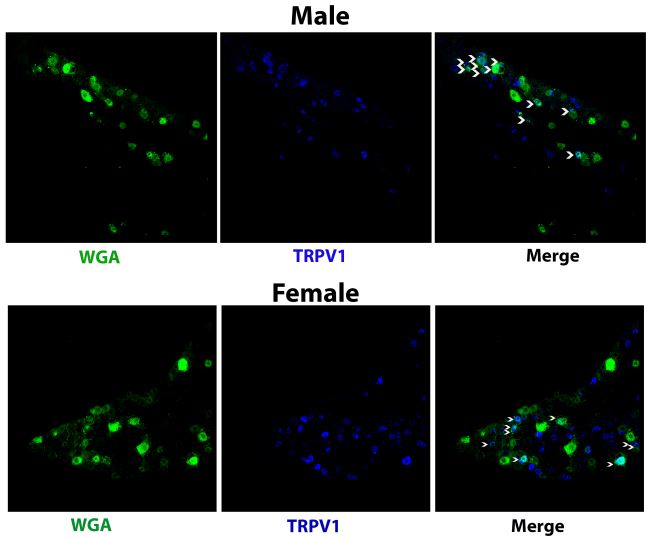
Image: Immunofluorescent images of WGA and TRPV1 (cat. GP14100) staining of TG tissues in male and female mice with colocalization of TRPV1 and WGA indicated with arrows.
The researchers noted that orofacial pain is clinically understood to be more common in females than males. However, despite this understanding, no research had been done to look at what factors cause this occurrence. Using mice as a model, the investigators began to characterized the sex-specific differences in gene expression, biological pathways, and molecular function of tongue sensory neurons. Our antibody played a big part in their analysis. We encourage you to check out the full publication below to learn more about their findings.
Pain Antibodies With 20+ Years of Proven Results
Neuromics has been successfully providing pain research antibodies for 20+ years. They are widely used and frequently published.
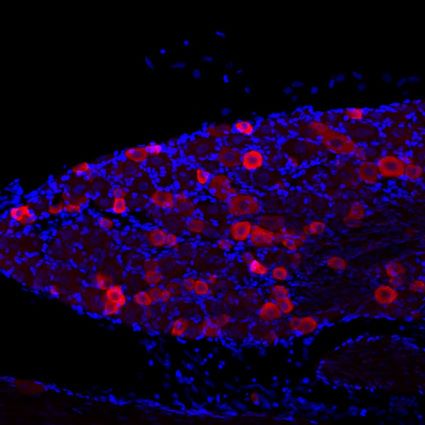
Image: Mouse inferior olive stained with Neuromics guinea pig TRPV1 antibody (cat. GP14100) using Cy3-conjugated donkey anti-guinea pig secondary antibodies (red color) and DAPI (blue) as a nuclear counterstain.
Here's a sampling of our top sellers:
So Many Reagents for Neuroscientists
We wanted to remind you about all of the research tools we have available for neuroscience researchers. From human cells to antibodies and more, we have plenty to choose from.
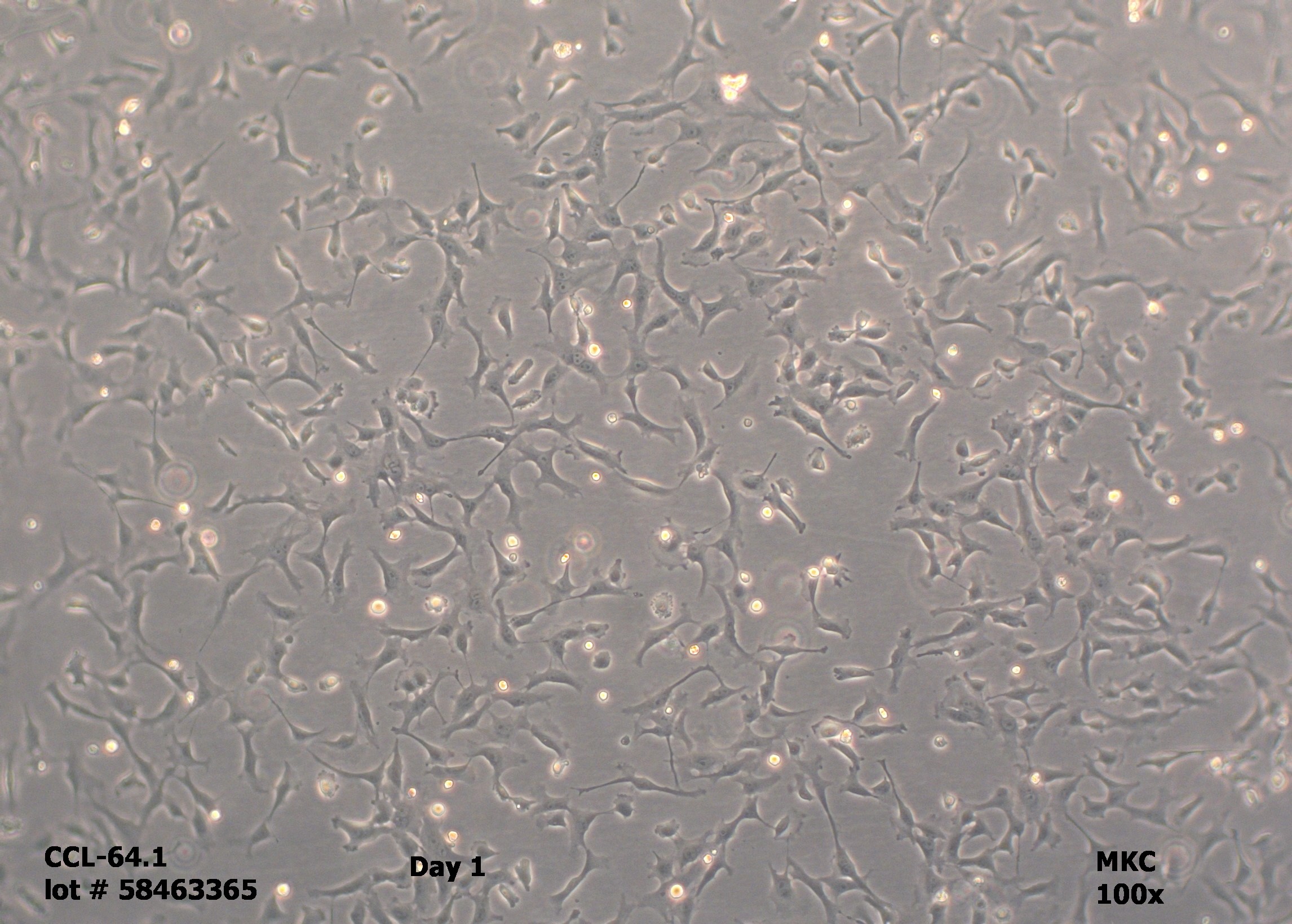
At the forefront of our neuroscience product offerings are our Primary Human Neurons (cat. HNC001). Pictured in culture to the right, these neurons are isolated from donor brain cortical tissue and are versatile in their applications.
For example, earlier this month, our neurons, along with our Human Brain Astrocytes (cat. HMP202), were both utilized in neuroblastoma research. The scientists were looking at T cells expressing chimeric antigen receptors (CARs) targeting glypican-2 (GPC2) as a possible clinical target for neuroblastoma and other solid tumor treatment. Using our cells, the researchers determined that mature neurons and astrocytes express low levels of GPC2, making them a safe target for therapy. In addition to our cells, the researchers also used media and other culturing products supplied by Neuromics.
Click here to check out the publication for yourself!
We encourage you to read more to learn about some of our other neuroscience related products...
Study Pain & Neuroscience with Our Antibodies
When discussing our primary antibodies for pain and neuroscience research, we always point to the 20+ years of results. Why wouldn't we? That's quite an accomplishment. Several of these antibodies have been consistently used in published research for over two decades. Over the weekend, two more studies were released using our antibodies in these familiar applications.
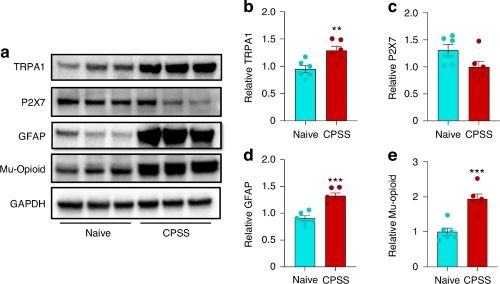
Image: Increased expression of mu opioid receptor levels in the ipsilateral lumbar DRGs of CPSS rats.
Researchers from Johns Hopkins University released pain research with the help of our rabbit Mu Opioid Receptor antibody (cat. RA10104). The paper introduced a rat model to study chronic pain after spine surgery (CPSS). By performing surgery on the rats and looking for symptoms of CPSS after the procedure, it provides a model to study the mechanisms of the disorder. You can read the full paper here.
Neuromics Products in Parkinson's Disease Research
At the core of the Neuromics portfolio are reagents with applications in neuroscience research. As a result, we see a large portion of references relating to neurodegenerative diseases, the brain, pain, and other neuroscience fields.
And while our collection of customer publications proves that our products can be used for so much more (see for yourself here), that theme of neuroscience research continued this past week. Two publications were released using our research tools in Parkinson's disease (PD) studies that we'd like to highlight.
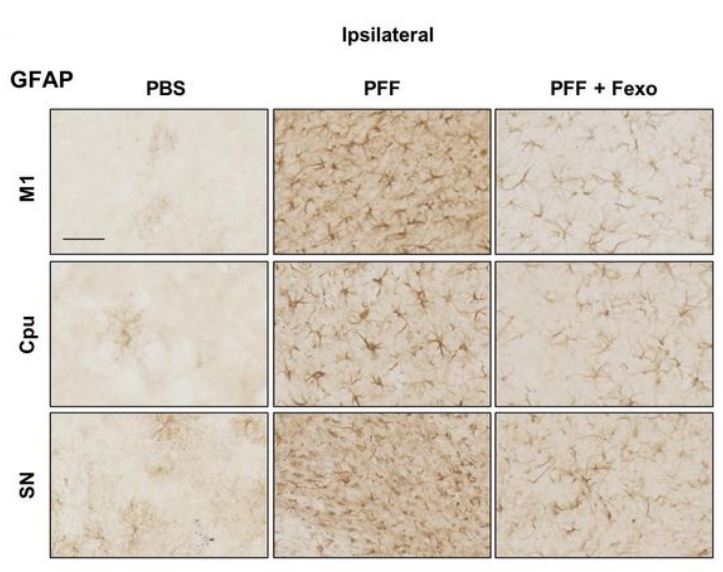
Image: GFAP staining (cat. RA22101) of various parts of the PD mouse brain.
In the first study, researchers from Korea used our Rabbit GFAP Polyclonal Antibody (cat. RA22101). They evaluated various antihistamines as potential therapies for patients with PD. After analyzing South Korean patient data and using various animal models, they found that fexofenadine is a potentially effective option to treat PD. Our antibody was used to stain various parts of the mouse brain in a PD model. We encourage you to check out the full publication here.
Our Products Crush Pain & Cancer Research
Over the past few weeks, we've seen a bunch of new publications come through from customers highlighting the capabilities of our many products. These include two studies using some of our highly touted pain research antibodies in migraine and neuropathic pain research. Additionally, one of our primary human cell types was utilized in pancreatic cancer research. You can explore all citations using Neuromics products here.
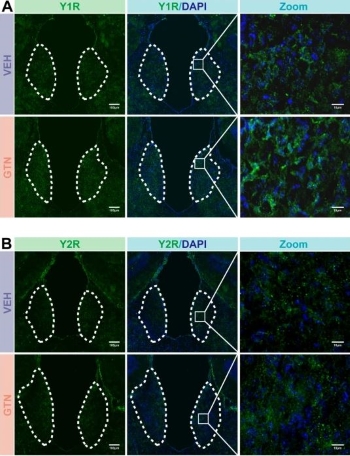
In the first piece of research, migraine researchers used two of our Neuropeptide Y (NPY) receptor antibodies. The investigators injected mice with glyceryl trinitrate (GTN) in the medial habenula (MHb) to produce a migraine mouse model. Upon microinjections of NPY, the signs of migraine decreased in the GTN mice. Using our Rabbit Polyclonal NPY Y1 Receptor Antibody (cat. RA24506) and Rabbit Polyclonal NPY Y2 Receptor Antibody (cat. RA14112), the scientist observed activation of NPY Y1 receptors, but not NPY Y2 receptors.
Image: Immunofluorescent staining showing the expression of the Y1 receptor (cat. RA24506) and Y2 receptor (cat. RA14112) in the MHb of GTN mice after microinjections of NPY.
Create In-Vivo Like Tumor Models With Our CAFs
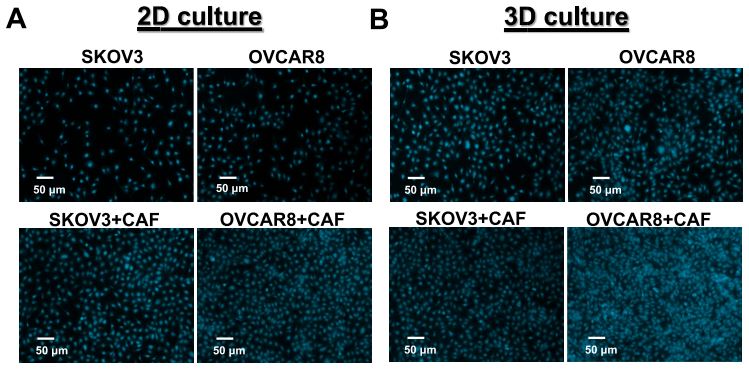
When researchers employ our human primary cancer associated fibroblasts (CAFs) in their tumor microenvironment models, they consistently find stark differences between 2D and 3D. Through 3D co-culture, investigators recognize that their models mirror in vivo tumors more closely than in 2D.
This makes our CAFs invaluable, enabling drug discovery research that better mimics the tumor microenvironment. Furthermore, over the last few years, we've seen the observation across many of our CAF types, including pancreatic, colorectal, breast, and now, ovarian.
Image: Human ovarian cancer cell lines (SKOV3 and OVACR8) along with Neuromics ovarian CAFs (cat. CAF112) in 2D and 3D ovarian cancer models.
Astrocytes are the Metabolic Workhorses of the Brain
There is a well choreographed dance between astrocytes, glia. microglia and neurons in the brain. This dance in is highly compartmentalized among different brain cell types to efficiently support various energy-demanding processes.
Astrocytes play a special role. They regulate synaptic transmission fine tuning metabolism and energy management. Another role is supply metabolites such as lactate, serine, and glutamine to support neuronal activity and supply energy.
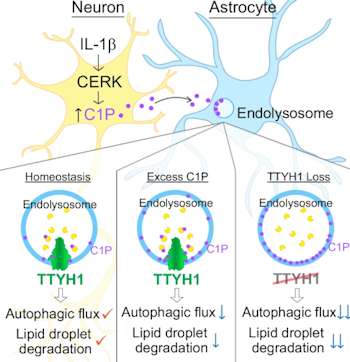
Here, Neuroscientists, published in "Nature Communications." uncover the role of an endolysosomal transmembrane protein in mediating catabolic processes in astrocytes. Researchers used Neuromics' Primary Human Brain Astrocytes for this study.
Top Image: Graphical representation of study conclusions.
Autophagic flux may work in tandem with reduced LD catabolism to limit the mobilization of toxic lipid species that cause inflammatory cascades in the brain. The neuron-astrocyte. Better understanding flux could be of value in new research approaches for understanding the roots of Neurodegenerative Diseases
More New Immortalized Human Primary Cells
Neuromics continues to expand our selection of immortalized human cells. This week, we've added eight new types of immortalized primary cells. You can passage these immortalized cells over 20 times, giving you more bank for your buck.
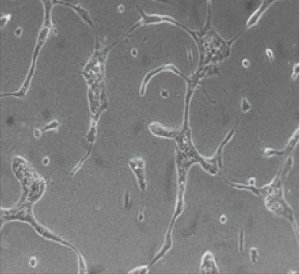
Top image: Neuromics primary human umbilical vein endothelial cells (cat. HEC01).
These newly released cells are fibroblasts and endothelial cells. Fibroblasts are one of the most widely used types of primary cells, as they are easy to culture and reprogram. Likewise, endothelial cells offer a great model to study vascular biology, angiogenesis, and inflammation.
Read more to check out the new cells.
Tumor Microenvironment Research Demands Our CAFs
Just how important is the tumor microenvironment (TME) in cancer research? As a supplier of primary human cancer-associated fibroblasts (CAFs), we’re exposed to plenty of studies looking into their role. One big theme: it’s becoming ever clearer that cancer treatments must take CAFs and their role in the TME into account.
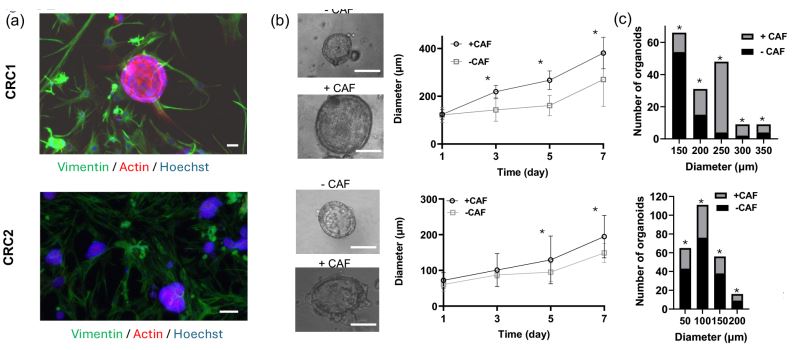
Image: 3D organotypic colorectal tumor model surrounded by CAFs (vimentin, green) (a). Organoids are larger and more plentiful when CAFs are incorporated than without CAFs (b & c).
In a newly released paper, a team of researchers from the University of Akron builds 3D organoids with patient-derived colorectal tumor samples to study prospective cancer treatments. They compare how organoids develop, prosper, and react to treatments when they are with and without colorectal tumor CAFs (cat. CAF115) provided by Neuromics.
Surgical Imaging Research With Our Brain Cancer Cells
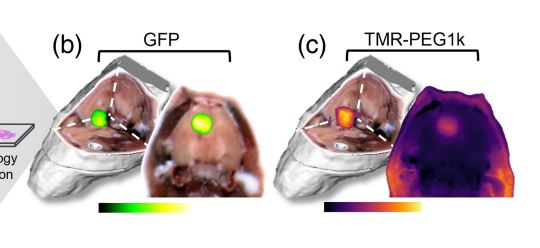
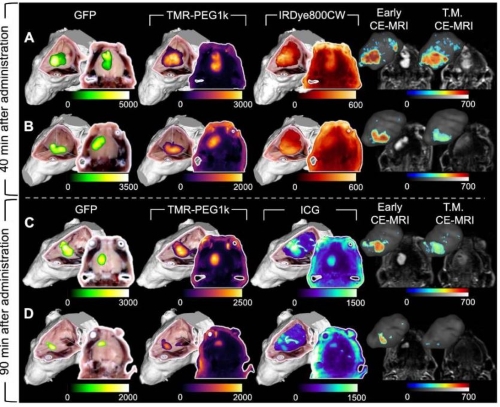
Late in 2024, Dartmouth researchers published a paper using our GFP-expressing human glioblastoma cells (U87 MG) (cat. TR01-GFP) in fluorescent-guided surgery research. The scientists cultured Neuromics GFP-expressing U87 MG cells and then inserted them into a mouse model. After testing several fluorescent agents, they found one, tetramethylrhodamine conjugated to a small polyethylene glycol chain (TMR-PEG1k), performed the best (learn more here).
Well, the same researchers are back again, releasing more fluorescent imaging research utilizing our GFP-expressing U87 MG cells. Like in the previous study, the researchers inserted our cells into a mouse model and compared the results to TMR-PEG1k. However, this time, the focus our their study was different.
Image: An illustration of Neuromics’ GFP expressing human glioblastoma cells (U87 MG) compared to the contrast agent TMR-PEG1k in mice.
Introducing Cas9 Expressing Primary Cells & GPCR Expressing Cell Lines
Neuromics is proud to introduce our newest pioneering research tools - human Cas9 expressing primary cells and GPCR expressing cell lines. With these modifications, the cells are valuable and versatile options for drug discovery, studying disease mechanisms, and countless other applications.
Our Cas9 expressing human primary cells have been genetically modified to express the Cas9 protein in a stable manner. Engineered to continuously produce and maintain the expression of the Cas9 protein, they can be used for precise and consistent CRISPR-based genome editing.
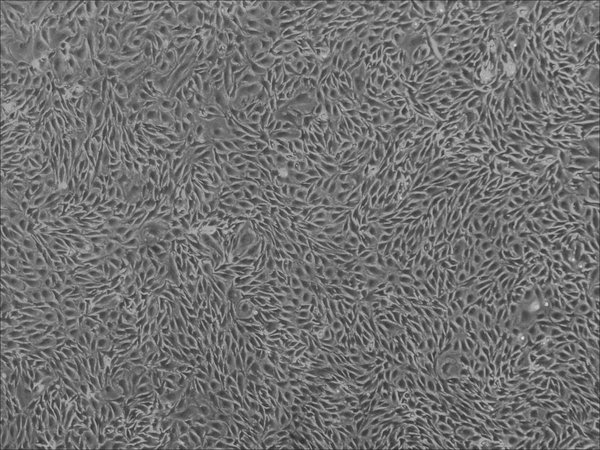
Image: Human retinal microvascular endothelial cells (HRMECs) in culture.
We are starting by offering six types of Cas9 expressing primary cells, including endothelial cells and fibroblasts. However, we will add dozens more in the future. Please contact us if there are any other types you need.
G-Protein Coupled Receptors (GPCRs) are at the forefront of modern drug discovery research, playing a vital role in various signal transduction pathways. We are starting by offering one of the most studied and used cell lines, GPCR expressing CHO-K1 cells.
More Diabetes Research With Our Endothelial Cells
Our primary human endothelial cells have a distinguished resume of enabling research across a wide spectrum of applications. Just a few months ago, we highlighted the use of our human brain microvascular endothelial cells (HBMECs) (cat. HEC02) in an aging study that looked at cell senescence. However, if there is one area where our endothelial cells stand out, it's in diabetes research.
These cells have been utilized on several occasions to study and learn about how endothelial cells react to different glucose environments. Our endothelial cells were part of a study that proposed a drug to treat diabetic retinopathy. You can review all the ways our endothelial cells are being used here.
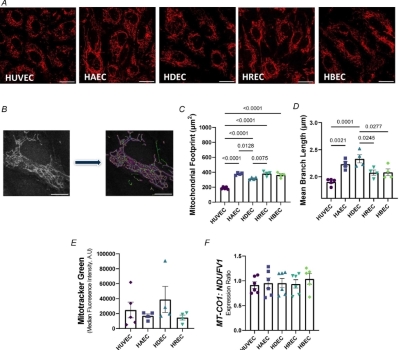
Image: Endothelial cells from different vascular beds display heterogeneous mitochondrial network morphology.
Then, just this past week, researchers at the University of Glasgow published a paper using our HBMECs to study diabetes.
CAFs Used in Groundbreaking Research
Neuromics has a large selection of human cells for cancer research. These cells have been used in impactful and meaningful studies by customers - check all the studies out here. At the center of the selection are our cancer associated fibroblasts (CAFs). Collaborating investigators from Takeda, BioTuring, and BMS utilized our Pancreatic CAFs (cat. CAF118) and CAF Growth Media (cat. CAFM03) in a study released earlier this month.
It is widely accepted that CAFs play a vital role in the tumor microenvironment (TME) and are a frequent target for therapeutics. However, despite successful results in 2D culture, many drug candidates struggle when tested in clinical trials.
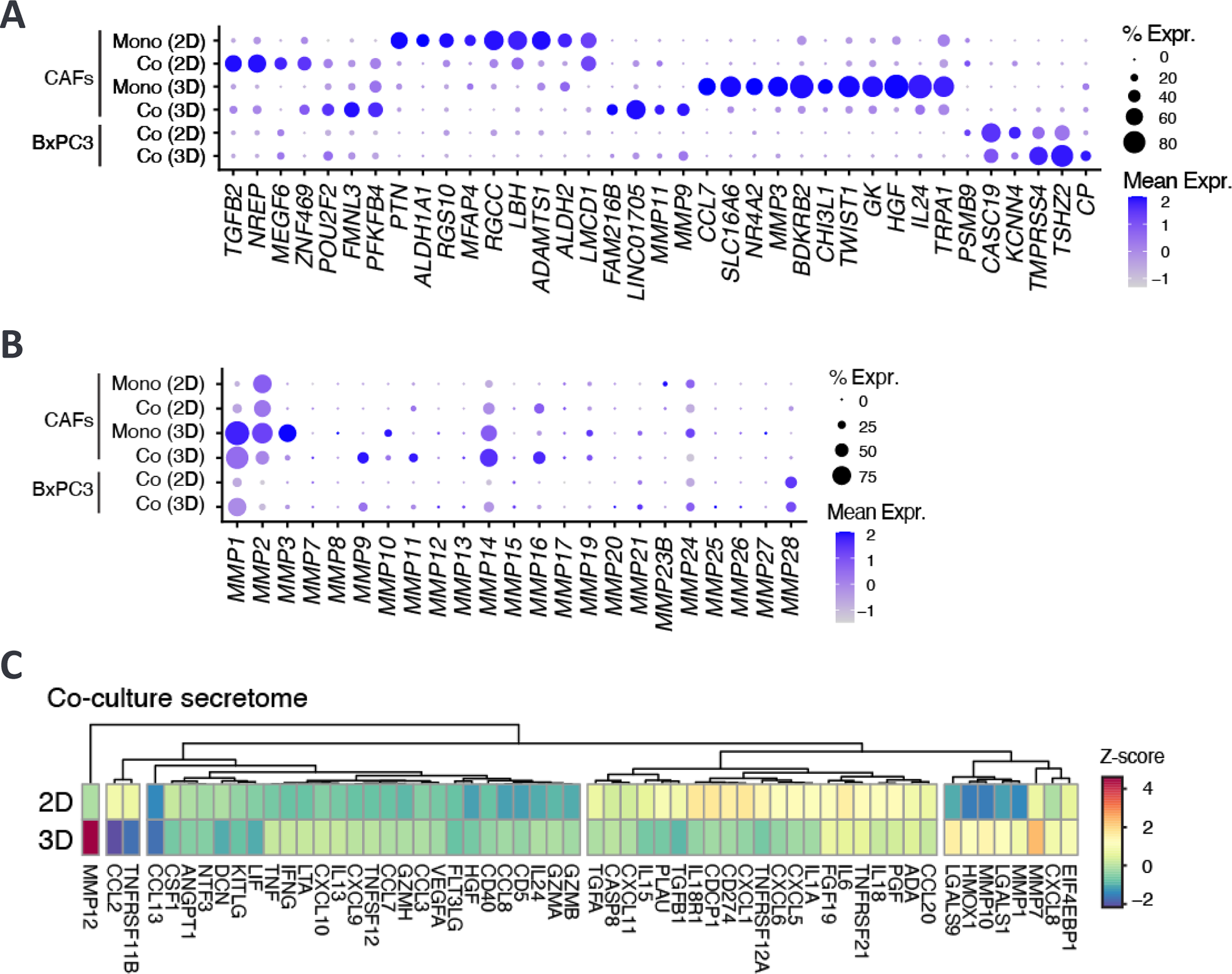
Image: Gene expression profile of Neuromics Pancreatic CAFs and BxPC3 cells in 2D and 3D monocultures and cocultures. Different culture conditions lead to changing expression profiles.
In the publication, the investigators examined various culture conditions for CAFs, including 2D and 3D monocultures and cocultures. They found that the expression profile and pro-proliferative effects of CAFs vary substantially depending on the culture condition.
The CAFs show their full potential in the TME when cultured in 3D tumor models. The results suggest that drug discovery research should implement 3D models to get a better-predicted outcome when evaluating drug candidates than 2D culture. Read the full study here.
Exciting Research Using Our HBMECs
Our human endothelial cells have always been a particularly versatile tool for researchers. They have been used by neuroscientists to study the blood-brain barrier, diabetes researchers to study diabetic retinopathy, cancer researchers to study tumors, and much more. This week, another study was published using one of our many (see for yourself) types of endothelial cells. You can explore all publications using our endothelial cells here.
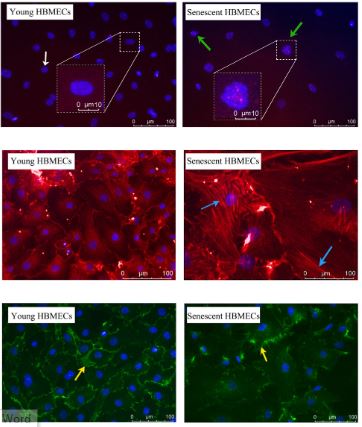
Image: A comparison of young and senescent HBMECs looking at DNA damage by staining with DAPI (top), numbers of actin stress fibers (middle), and CD31 expression (bottom)
Our human brain microvascular endothelial cells (HBMECs) (cat. HEC02) were used by scientists at the University of Nottingham in a paper published earlier this week. In the study, the investigators grew our HBMECs until they became senescent with implications in vascular aging and other age-related diseases. They tested our cells to see if they could find any reliable biomarkers for vascular aging by looking at the senescent cells. They noted morphological and functional changes in the HBMECs as the passage number increased. Learn more here.
GFP Brain Cells in Surgery Research
In the past couple of weeks, our blog has shared studies using Neuromics GFP-expressing cells and cell lines in exciting research. Now, we are happy to highlight another new publication that merges the two—a GFP-expressing cell line. Last month, researchers at Dartmouth published a paper using our GFP-expressing human glioblastoma cells (U87 MG) (cat. TR01-GFP) in fluorescent-guided surgery research.
Contrast imaging has become a frequently used tool in surgical resection so that surgeons can remove all tumor tissue when operating on patients. This method has especially become prevalent in glioma removal. While many methods for fluorescent-guidance surgery exist, the investigators wanted to look for one that accurately marks tumors shortly after administration and is compatible with current imaging capabilities.
Image: Imaging of mice inoculated with GFP expressing U87 MG cells after 40 and 90 minutes. A comparison with GFP shows how candidate fluorescent agents perform.
Reliable Human Cell Lines
Our blog has been inundated in the past couple of months with posts highlighting how researchers have used our human primary cells. However, it is not just primary cells. Neuromics also offers an impressive selection of human cell lines, including cancer cells, RFP- and GFP-expressing cells, and more. Recently, a few publications were released that utilized cell lines purchased from Neuromics.
Weill Cornell Medical College investigators utilized SF-295 cells (cat. SF001), a human glioblastoma cell line, supplied by Neuromics in their cancer research. The scientists studied the evolution of genomic signatures in several tumor samples from urothelial cancer patients. The findings better define some of the mechanisms behind urothelial cancer evolution and give insights into therapeutic possibilities. Check out the paper here.
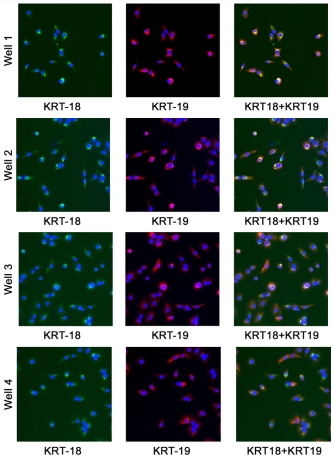
Image: DU 145 cells were incubated with diluted primary antibodies KRT18 and KRT19, then with fluorescent secondary antibodies (anti-mouse Cy2 and anti-rabbit Cy3) and mounted using iBright medium (SF40000).
Egyptian researchers published a study using WI-38 cells (cat. WI001), a human lung fibroblast cell line purchased from Neuromics, in diabetes research. They found that bee venom-loaded chitosan nanoparticles were a safe and effective treatment against diabetes in an in vivo rat model. According to the scientists, bee venom impacts pancreatic tissue through its antioxidants and anti-inflammatory properties. Read it here.
More GFP-HUVECs Research
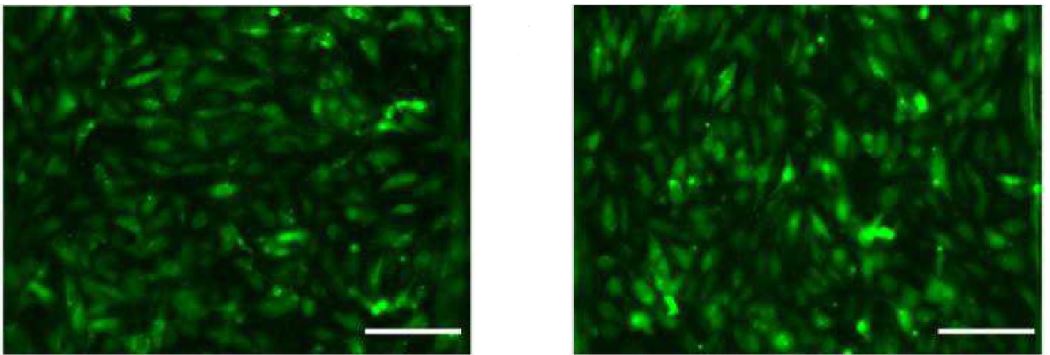
Another month, another new publication from customers using our GFP-expressing human umbilical vein endothelial cells (GFP-HUVECs) (cat. GF01). In September, we highlighted how the use of egg whites in tissue engineering was investigated by culturing our GFP-HUVECs (learn more here). Less than a month later, scientists at OHSU published a study that utilized our GFP-HUVECs in their research.
Image: Left: GFP-HUVECs in culture under no stretching force. Right: GFP-HUVECs in culture after 8 hours of cyclic stretch. The alignment of the cells is perpendicular to the axis of stretch.
The paper describes the assembly of a cell-stretch device. Since cells in the body are subjected to mechanical forces that can alter their morphology, gene expression, and differentiation, assays in cell culture that mimic these conditions are expected to be coveted. After explaining the components and construction of the device, the investigations utilized our GFP-HUVECs to validate their device. After subjecting the GFP-HUVCEs to cyclic stretching with their device, they observed a preferential alignment of the cells. You can read the complete study here.
Don't Forget About Our GFP Expressing Cells
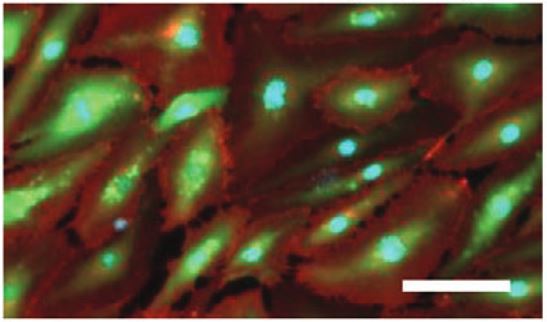
Neuromics has an impressive selection of human cells, most of which are unaltered primary cells. However, we also offer several GFP- and RFP-expressing cell types and lines. These cells enable new opportunities, applications, and ways to present results. We want to feature a publication released earlier this year that utilized our GFP-expressing human umbilical vein endothelial cells (GFP-HUVECs) (cat. GF01).
Image: GFP-HUVECs stained with VE-Cadherin and DAPI on an egg white based hydrogel.
Researchers at UCLA tested the feasibility of using egg white (EW) for tissue engineering in 3D bioprinting. EW has a history of being used as a substitute for other 3D culturing strategies such as gelatin, collagen, and Matrigel. The investigators employed our GFP-HUVECs to test whether an EW-based hydrogel would induce endothelialization in culture.
Alzheimer's Research with Our 3D BBB Model
Last week, we shared some exciting new research using our immortalized CAFs. It didn't take long for us to come across another publication with some noteworthy findings. Researchers at Augusta University published a study earlier this year utilizing our 3D Human Blood-Brain Barrier (BBB) Model (cat. 3D45002) in Alzheimer’s Disease (AD) research.
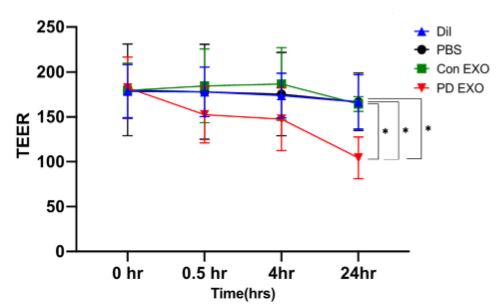
In recent years, periodontitis (PD) has been linked to AD, however, the mechanism is not understood. Porphyromonas gingivalis (Pg), a bacteria that causes PD, has been found in post-mortem brain samples of AD patients. The investigators tested to see whether PD-induced exosomes can cross the BBB.
Image: TEER readings in Neuromics BBB model at different time points when blood side is exposed to PD exosomes (PD EXO) and health exosomes (Con EXO). Exposure to PD EXO decreases TEER readings.
With the help of our model, the scientists found that not only do PD-induced exosomes cross the BBB, but they also compromise its integrity. TEER readings and expression of tight-junction proteins both decrease after exposure to the exosomes. These findings give some insight into how PD may contribute to the development of AD. Read the full study here.
Even More iPSC Brain Cells
Last month, we highlighted the release of six human iPSC-derived brain cells and two immortalized cancer associated fibroblast (CAF) types in our blog. Believe it or not, the cell releases keep coming, as we've got six more iPSC-derived cell types to offer.
- Human iPSC - Neural Stem Cells (SOD1 mutant, A4V, HOM) (cat. IPS010)
- Human Neuron Precursor Cells (cat. HNPC001)
- RFP Expressing Human Neuron Precursor Cells (cat. HNPC001-RFP)
- Human iPSC - RFP Expressing Dopaminergic Neurons (cat. IPS004-RFP)
- Human iPSC - Astrocytes (Parkinson’s Disease) (cat. IPS011)
- Human iPSC - Astrocytes (PSEN2 mutant, N141I, HET) (cat. IPS012)
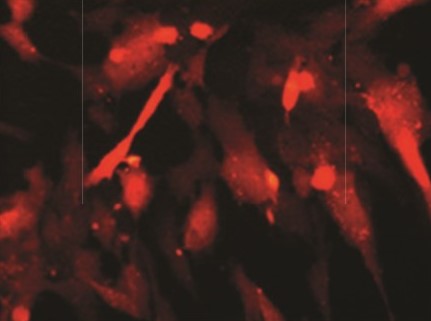
Image: Neuromics RFP Expressing Human Neuron Precursor Cells (HNPC001-RFP) in culture.
Our collection of iPSC cells enables a broad spectrum of neuroscience research. We have an extensive selection of iPSC-derived neuron types, including GABAergic, cortical, dopaminergic, glutamatergic, motor, and sensory. Furthermore, we have cells with mutations to study Parkinson's disease, ALS, and Alzheimer's.
More Immortalized CAF Types
Neuromics is excited to announce the release of two more immortalized cancer-associated fibroblast (CAF) types. Our primary CAFs are some of our top-selling cell types, so we continue introducing immortalized versions to complement the primary cells.
- Immortalized Human Ovarian CAFs (cat. CAF112-IM)
- Immortalized Human Lung Squamous Cell Carcinoma CAFs (cat. CA117S-IM)
We immortalize our primary CAFs by injecting hTert-lentiviral particles under specially formulated media. A Puromycin-resistant gene is expressed under the RSV promoter, which allows us to select the transduced cells. While normal CAFs can be passaged 3-5 times, immortalized CAFs can be passaged >10 times.
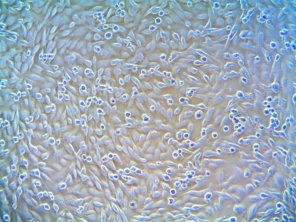
Image: Immortalized Lung Adenocarcinoma CAFs in culture. Grown using CAF Growth Media (cat. CAFM03)
Another Round of New iPSC Brain Cells
Earlier this year, Neuromics released our first set of iPSC-derived brain cells. In our blog post at the time, we suggested that more iPSC-derived cells would be released. That day is upon us, as we've just released another six iPSC-derived cell types.
- Human iPSC - Dopaminergic Neurons (cat. IPS004)
- Human iPSC - Cortical GABAergic Neurons (cat. IPS005)
- Human iPSC - Sensory Neurons (cat. IPS006)
- Human iPSC - GFP Glutamatergic Neurons (cat. IPS007)
- Human iPSC - ALS Neural Stem Cells (cat. IPS008)
- Human iPSC - Neural Stem Cells (cat. IPS009)
We're not stopping here either, as more cells will be released in the coming weeks.
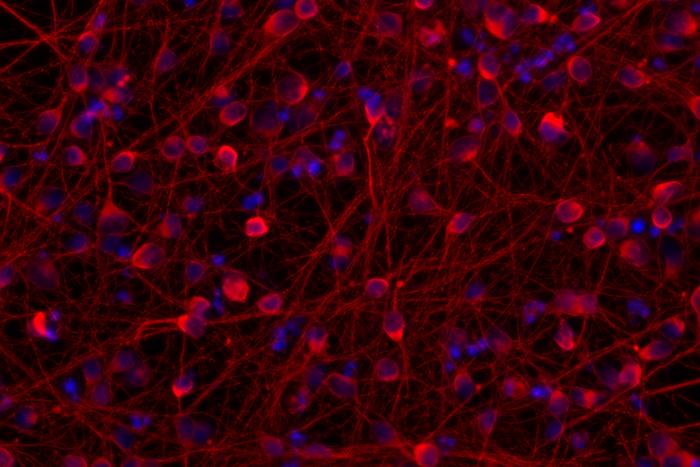
Image: Neuromics Human iPSC Cortical GABAergic Neurons (cat. IPS005) in culture.
All are derived from integration-free iPSC lines under a fully defined proprietary neural induction condition. The source of the cells are primary fibroblasts obtained from healthy donors.
Human Brain Cells That Make Discoveries
At the front and center of our human cell & tissue offerings are our primary brain & CNS cell types. Over the years, these cells have contributed to impactful studies. Earlier this week, another publication was released reminding us again of their value to researchers.
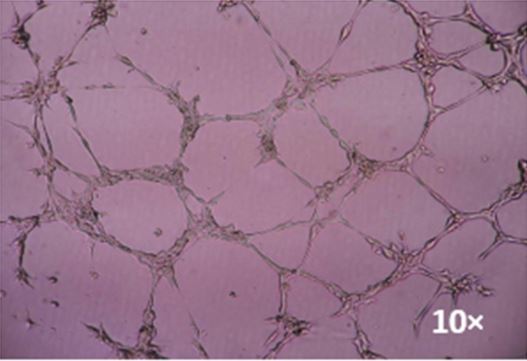
Investigators at the University of Nottingham used our Human Brain Pericytes (cat. HMP104), Astrocytes (cat. HMP202), and Microvascular Endothelial Cells (HBMECs) (cat. HEC02) to study the effects of hyperglycemia on the blood-brain barrier (BBB). The scientists built an in vitro BBB model by co-culturing the three cell types.
Image: Neuromics HBMECs showing tubule formation in normoglycemic conditions. The investigators found that the angiogenic capacity and morphology of the HBMECs were not altered by various glucose levels.
They found disruptions to the integrity of the BBB after exposure to high glucose conditions after 48 and 72 hours as compared to the normoglycemia control. The findings have implications for furthering our understanding of the link between diabetes and strokes. You can read the full study here.
Our HRMECs Enable Diabetes Research
Our Human Retinal Microvascular Endothelial Cells (HRMECs) (cat. HEC09) have a history of performing for researchers studying diabetic retinopathy. In the past, we've seen the cells used to investigate the viability of a drug as a treatment in one study and the role of a long non-coding RNA in another paper. Now, the cells are back again, proving their consistency and reliability in a publication released this month.
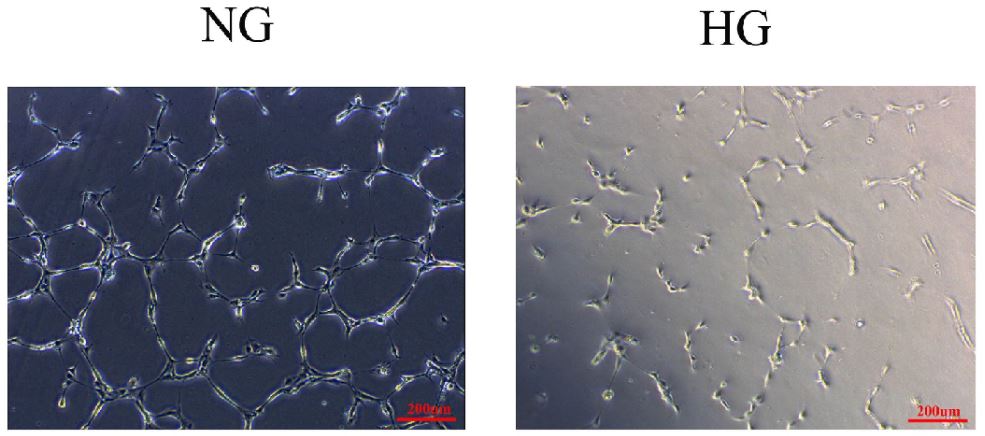
Image: Formation of tube networks in Neuromics HRMECs in normal glucose (NG) and high glucose (HG) conditions.
Investigators at Shandong University in China subjected our HRMECs to high glucose (HG) conditions to create an in vitro diabetic retinopathy model. They wanted to study the role of circular RNAs (circRNAs) in regulating HG-induced apoptosis in the HRMECs. Finding that hsa_circ_0000880 was upregulated in the cells and that apoptosis decreased in the hsa_circ_0000880 knockout model, the researchers suggest it could be a future therapeutic target for diabetic retinopathy. You can read the full study here.
Cancer Associated Fibroblasts (CAFs) That Deliver
Last year, we focused on adding new types and versions of Primary Human Cancer Associated Fibroblasts (CAFs). With the cells playing a growing role in understanding the tumor microenvironment, it was a no-brainer to expand our offerings. Ultimately, we now have CAFs from eleven tumor types and four immortalized versions.
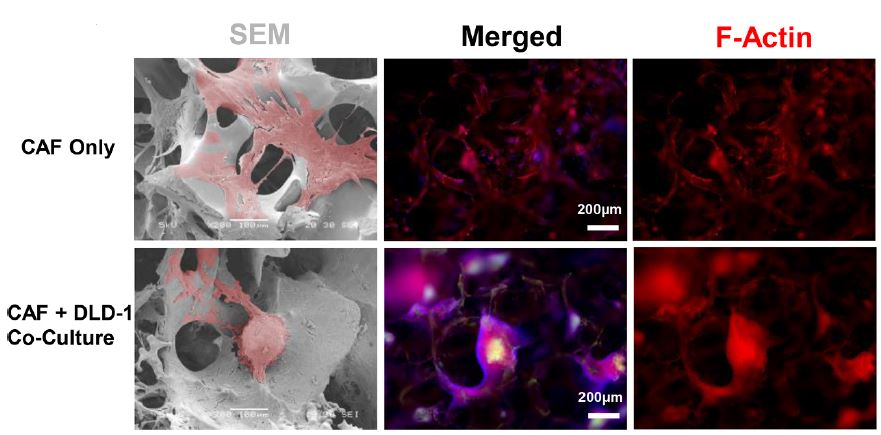
Image: Colorectal tumor CAFs and DLD-1 spheroids stained with F-Actin (red), cell nucleus (blue), and E-Cadherin (green).
With the products released and circulating, it is no surprise to see citations starting to highlight them in new research. That was the case for our Colorectal Tumor CAFs (cat. CAF115), which featured in a publication released in January.
iPSC Brain Cells Available Today
At Neuromics, we are always looking for ways to expand our human cell offerings with tools specifically requested by customers. This month, we've done just that. Complementing our already expansive selection of research provenhuman central nervous system (CNS) primary cells, we have just introduced three induced pluripotent stem cell (iPSC) derived CNS lines:
- Human iPSC - Astrocytes (cat. IPS001)
- Human iPSC - Cortical Neurons (cat. IPS002)
- Human iPSC - Motor Neurons (cat. IPS003)
All three iPSC products are derived from integration-free iPSC lines under a fully defined proprietary neural induction condition. The source of the cells are primary fibroblasts, obtained from healthy donors.
More Blood-Brain Barrier Research
We are always excited to showcase innovative publications utilizing our reagents. We take immense pride in providing researchers and professionals with reliable and consistent products that unlock new possibilities in their fields. Today, we delve into another new study using some of of our primary human brain cells.
Researchers from the University of Nottingham have released two new publications using our primary human brain microvascular endothelial cells (cat. HEC02), brain pericytes (cat. HMP104), and brain astrocytes (cat. HMP202) to build an in vitro blood-brain barrier (BBB) model. Last week, we highlighted the first publication, where the impact of exposure to Substance P (SP) on the BBB was evaluated. You can check out the blog post to learn more.
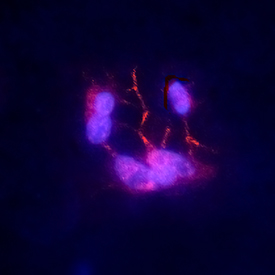
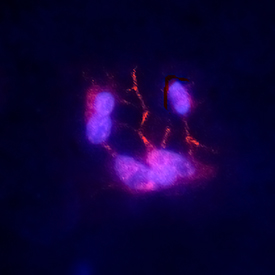
Image: Astrocytes stained with S100 beta.
Then, to our pleasant surprise, we saw the researchers cited our cells in another BBB related publication. This time, the investigators looked into some of the mechanisms behind neuroinflammation seen in ischaemic stroke and other disorders. They found that inhibition of Rho kinase neutralized the disruptive effects of TNF-α on BBB integrity. You can read the full study here.
Neuromics Primary Brain Cells in BBB Research
Last month, we highlighted the use of our human brain microvascular pericytes (cat. HMP104) and human brain astrocytres (cat. HMP202) in long COVID research (learn more). It didn't take long for the same cells to pop up in another new publication. This time, it's in blood-brain barrier (BBB) research.
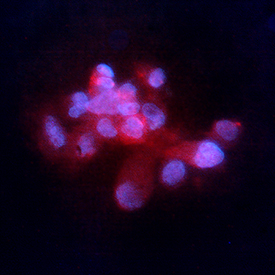
Image: HBMECs stained with Claudin-5.
Researchers from the University of Nottingham used our primary human brain microvascular endothelial cells (cat. HEC02), brain pericytes, and brain astrocytes to build an in vitro blood-brain barrier (BBB) model. They wanted to evaluate the impact of exposure to Substance P (SP) on the BBB, finding that “SP promoted a reversible decline” in their model. The findings have implications in neurological disease research among other areas. You can explore the full publication here.
Long COVID Research Uses Our Human Brain Cells
Since the pandemic started, we've seen our reagents used to make important discoveries and observations about the virus. Back in 2021, scientists worked with our Human Small Intestine Endothelial Cells (cat. HEC15) to compare the plasma of healthy patients to those with COVID-19 (learn more). Then, in 2022, researchers infected our Primary Human Neurons (cat. HNC001) with COVID-19 in a publication. They observed the creation of an Alzheimer's-like neuropathology in the formerly healthy neurons (read it here).
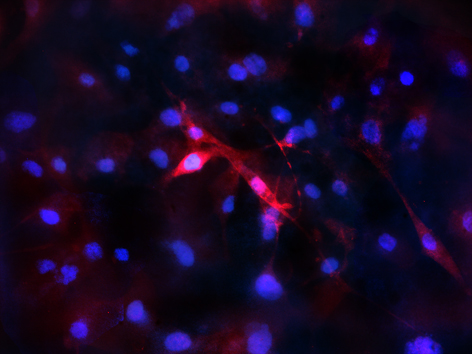
Image: Human brain microvascular pericytes stained with VWF/Factor VIII.
Now, preliminary research has just been released looking at the interaction between COVID-19 and HIV. In the citation, the investigators from UNMC and the Karolinska Institutet employed our Human Brain Astrocytes (cat. HMP202) and Human Brain Microvascular Pericytes (cat. HMP104).
Our HBMECs Used in Hypertension Research
Since their introduction, our Human Brain Microvascular Endothelial Cells (HBMECs) (cat. HEC02) have been one of our most popular cell types. In the past two years alone, they've been utilized in published glioblastoma, cerebral cavernous malformation (CCM), diabetes, and COVID-19 research. We encourage you to check out all publications using these cells here.
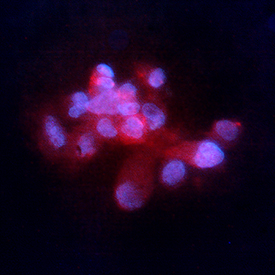
Image: HBMECs stained with Claudin-5
And now, this past month, our HBMECs were cited in newly published hypertension research. Researchers from Albert Einstein College of Medicine were investigating miR-4432, a small nucleic acid, as an inhibitor to fibroblast growth factor binding protein 1 in HBMECs. They found that miR-4432 reduces endothelial oxidative stress, which is a key feature of hypertension. They suggest miR-4432 to be further studied to better understand its role in endothelial dysfunction. Read the full publication here.
Welcoming Microglia to the Club
Nothing validates the quality and reliability of a product like a customer citation referencing its use. For this reason, Neuromics loves to highlight the discoveries made with our products, especially when it is the first time a reagent is cited.
The club of human primary cells with published results has become quite large, with many of our endothelial cells, cells for neuroscience research, and cancer cells already included (see for yourself). And last month, our Immortalized Human Brain Microglia Cells (cat. HBMCs001) finally joined the group of human cells with proven results.
Image: Immortalized Human Microglia in culture. Grown using Alpha-glia Expansion Medium (cat. AGEM-001).
Investigators from Wichita State University used our human microglia, along with our Alpha-Glia Expansion Medium (cat. AGME-001), in spinal cord injury research. The scientists assessed the gene expression of the microglia cultured on soy protein-collagen hybrid scaffolds vs. collagen scaffolds. We encourage you to check out the full publication here to learn more.

Introducing More Cancer Associated Fibroblasts (CAFs)
Neuromics has just released seven new human cancer associated fibroblast (CAF) cell types as we continue to grow our human primary cell offerings. As many of you know, CAFs have been a staple of our human cells & tissue portfolio for a number of years, and we couldn't be more excited to expand the selection to include fibroblasts isolated from many tumor types.
Image: Lung squamous cell carcinoma CAFs (cat. CAF117s) in culture. Grown using CAF Growth Media (cat. CAFM03)
As research continues to demonstrate, CAFs are closely associated with primary tumor cells and participate in the neoplastic process. There is a back and forth communication between tumor cells and CAFs, making CAFs a promising target for drug discovery. Additionally, comprehending the role of CAFs is critical to fully understand tumor growth, angiogenesis and metastasis.
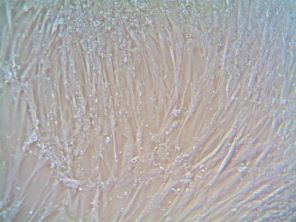
New Research Using Our Human Brain Astrocytes
Last month, we highlighted the many occasions in which our primary human neurons (cat. HNC001) have been cited in published research. This includes creating 3D spheroids, studying the link between Alzheimer's and COVID-19, and identifying neuroblastoma therapeutic targets (learn more here).
This month, our human brain astrocytes (cat. HMP202) are stealing the spotlight. Just last week, scientists from Vaccinex, Inc. published neurodegenerative disease findings. With the help of our astrocytes, the researchers determined that creating a blockade of Semaphorin 4D may preserve normal astrocyte function and improve disease pathology in astrocytes interacting with already damaged neurons.
Image: Neuromics astrocytes stained with S100 beta.
We encourage you to check out the full publication here. Furthermore, you can explore all publications using our astrocytes here. Lastly, follow this link to browse all publications using our human cells & tissue.
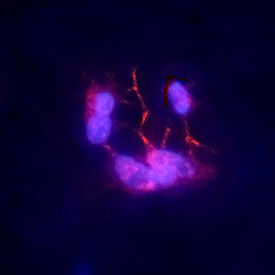
Another New Cell Type
Neuromics is always adding cell types and lines that offer researchers the prospect of advancing their research. This week, we're pleased to add some new cells that will surely draw the interest of diabetes researchers and others.
Neuromics has just introduced Insulin Secreting Human Fibroblast Pancreatic Islet Cells (cat. HPF002). These cells were derived from Human Pancreatic Islet Cells before being transformed with the ability to be passaged at least 5 times.
These cells perfectly complement the other tools we have available for diabetes researchers, including our endothelial cell types (especially our retinal), epithelial cells, and much more. We also have a section of antibodies and recombinant proteins with applications in diabetes research.
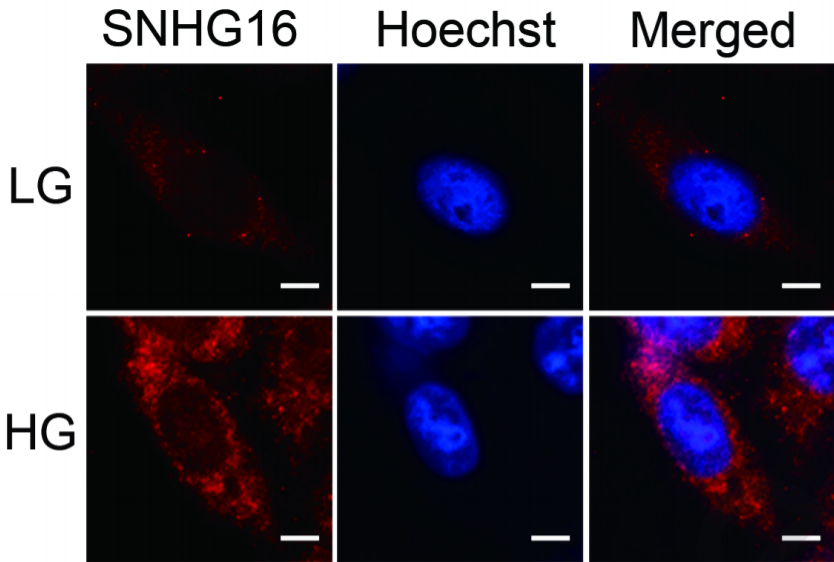
Image: SNHG16 subcellular distribution in Neuromics hRMECs under low-glucose or high-glucose conditions while researching diabetic retinopathy.
We encourage you to read more to check out all our fibroblast cell types.
A Number of Versatile Research Tools
A steady stream of results demonstrates that our human cells are both reliable and versatile. Another new publication featuring our human brain microvascular endothelial cells (HBMECs) (cat. HEC02) is proof positive.
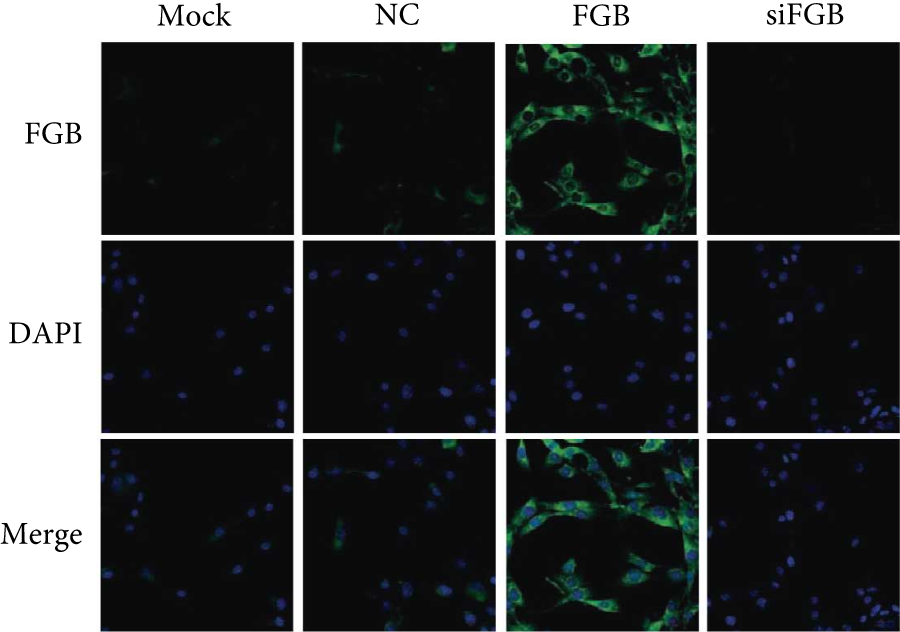
Published this week, researchers used our HBMECs to explore potential treatment targets and mechanisms for brain aneurysms. Specifically, the study focused on the role of miR-139-5p in the pathogenesis of brain aneurysms. We encourage you to click here to check out the full publication.
Image: Immunofluorescence staining after overexpression and knockdown of FGB in HBMECs (Tao Jin, et al.)
This publication is just the most recent of many publications using these cells in a variety of research areas. Most recently in February, we highlighted a cerebral cavernous malformation (CCM) study using these same cells. Furthermore, they have also been published in COVID-19 and diabetes research in the last year alone. You can check out all publications using these cells here.
New Fibroblasts To Complement Our CAFs
We are constantly expanding our product offerings so that we can continue to be a one-stop shop for biological products. This month, we are pleased to introduce three new cell types that will assuredly help investigators in a variety of fields.
Neuromics is now providing primary human colon fibroblasts (cat. HCF001), lung fibroblasts (cat. HLF001), and pancreatic fibroblasts (cat. HPF001). All three cell types were isolated from healthy donor tissue and are available for $899 (500,000 cells).
Why are we so excited to introduce these cells? These 'normal' fibroblasts perfectly complement our existing selection of cancer associated fibroblasts (CAFs), which have been implicated in important aspects of epithelial solid tumor biology. Cancer researchers can now compare fibroblasts isolated from cancerous tissue (CAFs) and fibroblasts isolated from 'normal' tissue.
Read more to explore all of our primary fibroblast options...
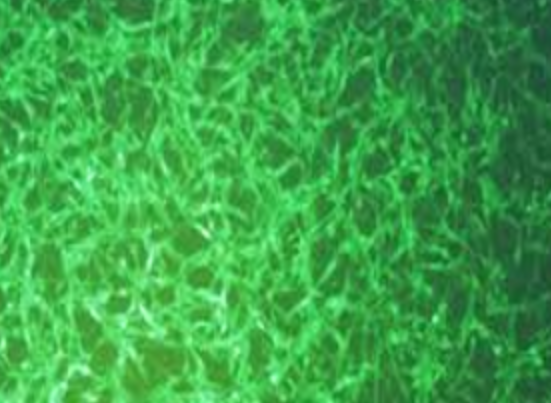
The Complete Set of Human Prostate Cancer Cell Lines
Neuromics is pleased to introduce many of the top human prostate cancer cell lines to our already expansive selection of cell offerings. To complement the DU 145 cells we added earlier this year, Neuromics is now offering VcaP, LNCaP, and PC-3 cells to complete our catalog of human prostate cancer cell lines.
With these four offerings, Neuromics now has the ability to offer researchers all four of the main human cell lines used in prostate cancer therapeutics research. Additionally, with the four cell lines all having slight differences in their characteristics, it makes them all useful tools for researchers.
Image: VcaP cells in culture.
VCaP cells are known for their high androgen receptor and PSA expression. Unlike most other prostate cancer cell lines, LNCaP cells are highly sensitive to androgens and have a low tumorigenicity. Meanwhile, PC-3 cells are noted for their high metastatic potential along with their insensitivity to androgens and fibroblast growth factors. Lastly, DU 145 cells are not hormone-sensitive and do not express PSA.
Read more to check out the cells...
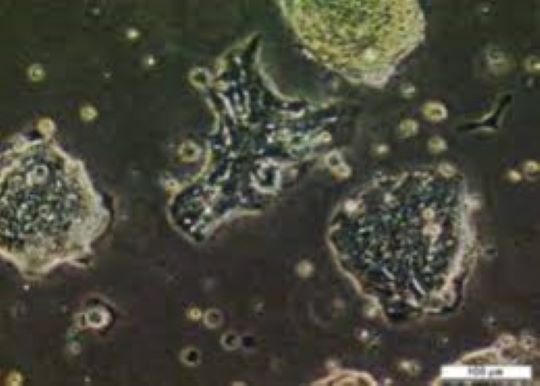
Neuromics Brain Endothelial Cells Strike Again
Earlier this year, we highlighted when our human brain microvascular endothelial cells (HBMECs) (cat. no. HEC02) were published in COVID-19 research. Guess what??? They're back! This time in hypertension and diabetes research released earlier this month.
A collection of researchers from across Italy and the Albert Einstein College of Medicine published their findings a few weeks ago with the help of our HBMECs. Combining in vitro experiments using our cells with cognitive tests of hypertensive patients, these investigators demonstrated that hyperglycemia aggravates cognitive impairment. They also found that patients treated with metformin, a diabetic drug, performed better on the cognitive test than patients treated with insulin.
Image: HBMECs stained with Claudin-5.
Read more to check out the full publication...
A Great Cell Line for Prostate Cancer Research
Neuromics constantly looks for ways to expand our selection of human cells so that researchers get what they need. We are excited to announce that we now are offering DU 145 cells (cat no. DU001), a human prostate cancer cell line. Better yet, we are offering them for only $479 through the end of the month!
DU 145 cells are one of the pillar prostate cancer cell lines used in therapeutics research. These cells were derived from a prostate carcinoma metastatic site in the brain of a 69 year old Caucasian male. DU 145 are not hormone-sensitive and do not express prostate-specific antigen (PSA).
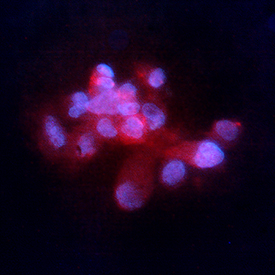
Even though we just got access to these cells, we've already generated some great data (shown in the image to the right and linked here) demonstrating that these cells express KRT18 and KRT19, two markers of prostate cancer.
Image: DU 145 cells were incubated with diluted primary antibodies KRT18 and KRT19, then with fluorescent secondary antibodies (anti-mouse Cy2 and anti-rabbit Cy3) and mounted using iBright medium (SF40000).
Read more to explore the cells...
Neuromics HRMECs Prove Their Consistency
Whether it is a publication from a customer or through generated data, Neuromics is always looking to validate our reagents so that researchers can truly trust them. We've just received data (read here) to further demonstrate the trustworthiness of our human retinal microvascular endothelial cells (HRMECs) (cat.no. HEC09).
When culturing cells, consistency is necessary. It is impossible for researchers to rely on reagents that don't perform similarly when using an identical protocol.
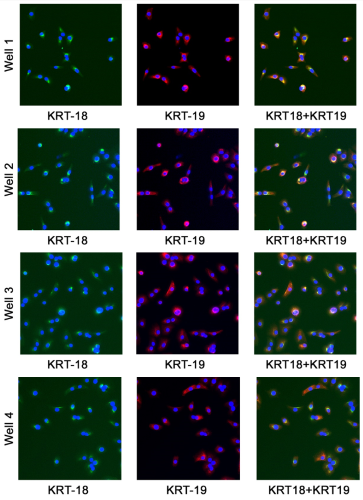
To demonstrate the consistency of our HRMECs, we plated HRMECs in an 8-well chamber slide (a-h). The cells were stained with diluted primary antibodies CD31 (mouse anti-human BBA7 from R&D, 12 ug/ml) and von Willebrand factor (vWF) (rabbit anti-human from Abcam ab6994, 1:400). Both CD31 and vWF are used as markers of endothelial cells.
The results, shown in the images to the right (a-d in top image, e-h in bottom image), display that our endothelial cells are consistent in their expression of CD31 (green) and vWF (red). Overlap of expression of CD31 and vWF can be seen in the yellow color (expression of both green and red). While there is some variation in the number of cells co-expressing both CD31 and wWF, it falls within the expected range of statistical error.
Read more to view images of wells e-h...
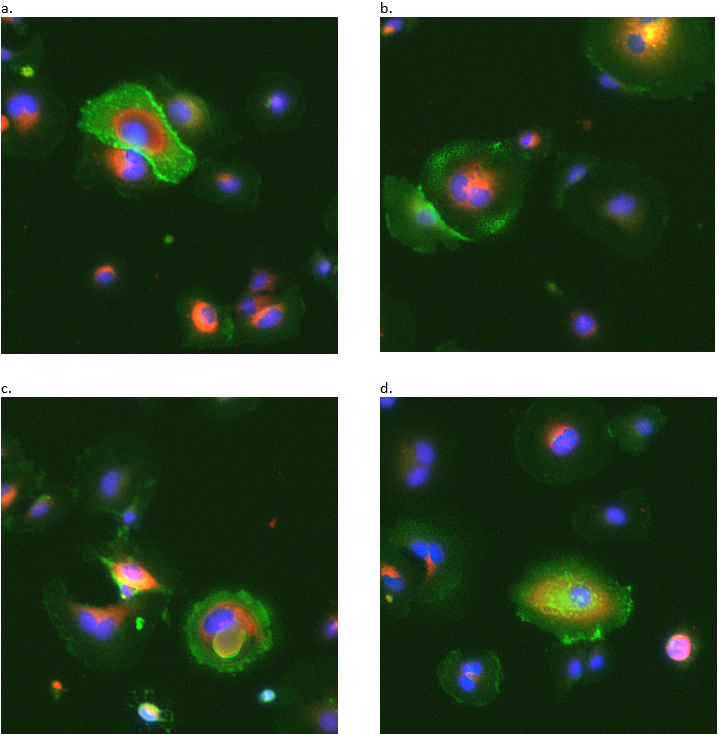
Our Reagents are Helping Answer Questions About COVID-19
With COVID-19 affecting the globe for well over a year at this point, many researchers have shifted their focus to the virus. While there are many COVID-19 related questions still needing answers, it is incredible what the scientific community has achieved in such a short period of time.
Our reagents have been used by customers in a handful of publications that have helped us learn more about the virus. We've just added a new page to our website to compile all these publications. Visit it here.
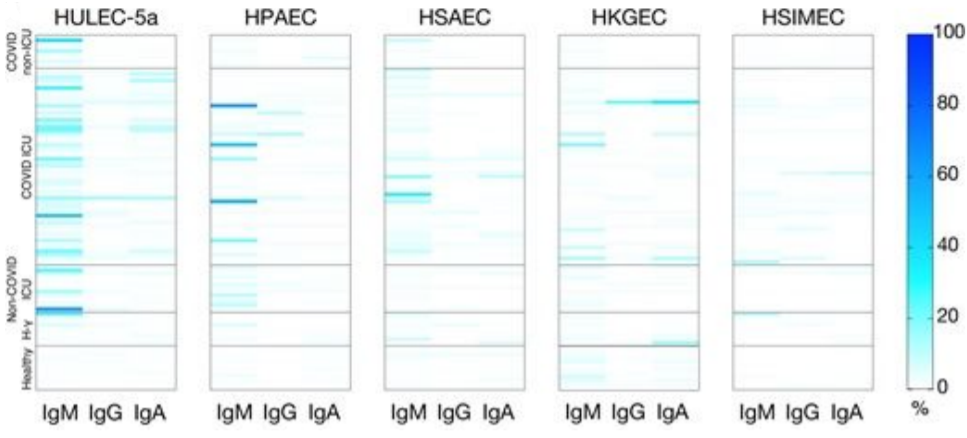
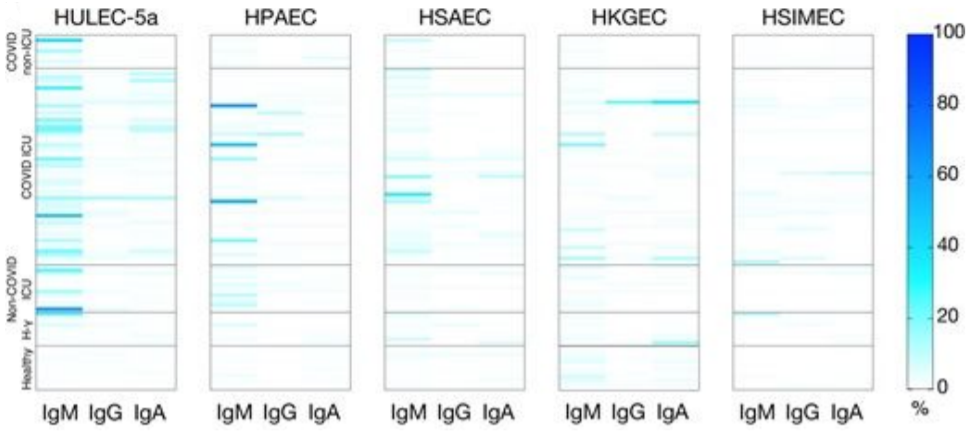
Image: Detected auto Ig levels in specific cell types, including our human small intestine endothelial cells.
Included is a publication from researchers at Emory University comparing the plasma of COVID-19 patients to healthy patients to study the pathogenesis of severe COVID-19. In this research, they used our Human Small Intestine Endothelial Cells (cat.# HEC15). Check out this blog post to learn more.
A second publication utilizes our Human Brain Microvascular Endothelial Cells (cat.# HEC02) to find a microRNA capable of targeting Neuropilin-1, a transmembrane glycoprotein that plays a role in the cellular entry of the SARs-CoV-2 virus. Learn more.
New Fibroblast Cells and More Research
As always, there are exciting things happening behind the scenes at Neuromics. This week, we added three cell lines of human fibroblasts. In addition to the new cells, we also received a publication with researchers using human cells from Neuromics.
Like I said, we are now offering three human fibroblast cell lines. They are HEL 299 cells (cat.no. HEL001), MRC-5 cells (cat.no. MRC001), and WI-38 cells (cat.no. WI001). All three are immortalized cell lines derived from fetal lung tissue in the 1960s. These cell lines are known for their use in vaccine research and production, but have many other applications.
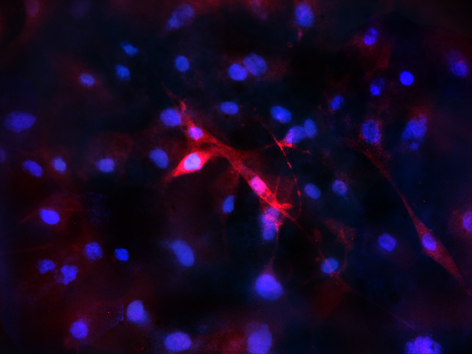
Image: Neuromics human brain microvascular pericytes stained with VWF/Factor VIII (dilution 1:100). Secondary antibody conjugated to Alexa 594 (red) and counterstained with DAPI (blue). Cells were mounted using iBrite mounting media.
Moving on to the new publication, last month, researchers from the University of Copenhagen published research on glioblastoma surgery using our human brain astrocytes (cat.no. HMP202) and human brain microvascular pericytes (cat.no. HMP104).
Read more to learn more about the publication...
Study SARS-CoV2 and More with Our 3D BBB Model
Recent research shows the SARS-CoV2 virus penetrates the blood-brain barrier (BBB), causing neurological damage. Patients have reported both short-term and long-term neurological issues stemming from the virus.
SARS-CoV2 enters the central nervous system (CNS) by binding to the ACE-2 receptors on human brain endothelial cells (HBECs) and human astrocytes (HAs) that form the BBB. After infecting HBECs and HAs, the virus alters the tight junctions of the BBB to pass through and infect microglia of the CNS (Reynolds et al. 2021).
Neuromics 3D human blood-brain barrier model (cat. no. 3D45002) is the perfect tool for researchers studying the virus' impact on the brain, as we continue to generate data demonstrating that our model truly mimics the properties of the BBB. Our model is developed to be highly reproducible, utilizing co-cultures of our human brain microvascular endothelial cells (cat. no. HEC02), human brain astrocytes (cat. no. HMP202), and human brain microvascular pericytes (cat. no. HMP104) layered in inserts to form the same tight junctions present in the BBB.
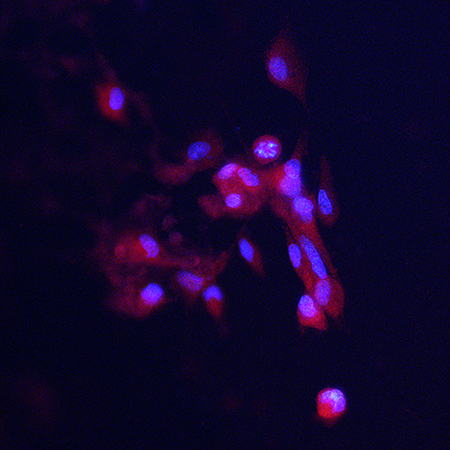
Image: ACE-2 staining (red) and DAPI nuclear counterstain (blue) of the endothelial cells (HEC02) on the bottom of the inserts. Images collected on a microscope.
Read more to learn about the new data...
New Brain Cancer Cells
To better equip researchers, Neuromics continuously strives to expand our portfolio of human cells and tissue. This past week, we've done just that, adding two new lines of human brain cancer cells.
The first new cells are LN-319 cells, a line of tumorigenic human brain epithelial cells. LN-319 cells are derived from a left malignant glioma of a 69 year old Caucasian male with anaplastic astrocytoma grade III.
The second line of cells is SF-295 cells. These cells are derived from the tumor of a 67 year-old female glioblastoma patient.
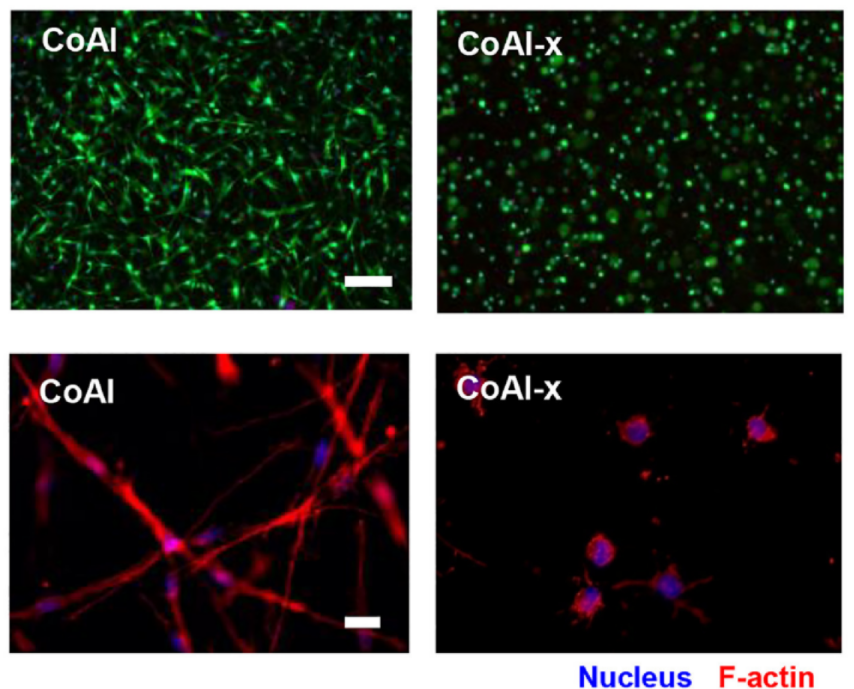
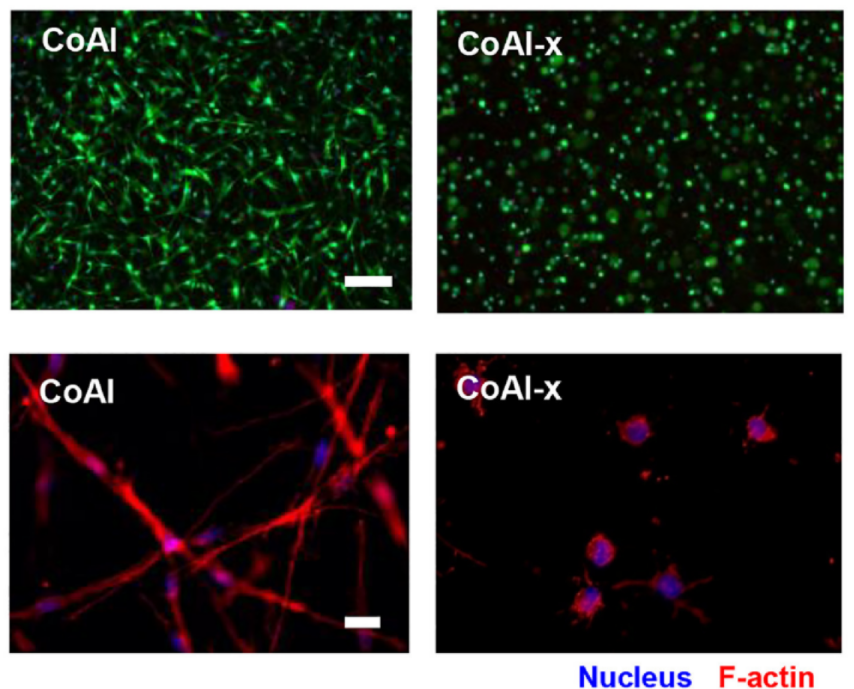
Image: Fluorescence images of colorectal tumor CAFs (Cat.# CAF115) cultured in CoAl hydrogels counterstained with live (green) / dead (red) dyes (top, scale bar=200 µm) and nucleus (blue) / F-actin (red) (bottom, scale bar=20 µm). Courtesy of Huan Cao, et al., Nanyang Technological University
Learn more about these cells...
Neuromics Colorectal Tumor CAFs Are Helping Us Understand Cancer
Neuromics has an impressive selection of products that have been used in meaningful cancer research. Some of our most popular and research proven products for cancer research are our Cancer Related Fibroblasts (CAFs). Just last week, researchers from Nanyang Technological University in Singapore published cancer research using our Human Colorectal Tumor Cancer Associated Fibroblasts (Cat.# CAF115).
CAFs play a major role in the tumor microenvironment, with implications in tumor growth and metastasis. While research has shown that CAFs can increase the aggressiveness of malignant tumors, other research has concluded that CAFs can suppress cancer progression. These researchers wanted to understand more about the phenotypic processes creating various CAF subsets that either encourage or suppress cancer progression.
Image: Fluorescence images of CAFs cultured in CoAl hydrogels counterstained with live (green) / dead (red) dyes (top, scale bar=200 µm) and nucleus (blue) / F-actin (red) (bottom, scale bar=20 µm).
Read more to learn about their findings.
Our Human Endothelial Cells Are Elite
Our human endothelial cells are constantly being used by researchers in their publications. This past month, both our human Retinal Microvascular Endothelial Cells (hRMECs) (cat # HEC09) and our human Brain Microvascular Endothelial Cells (hBMECs) (cat # HEC02) were used in publications we'd like to highlight. You can find all customer publications using our endothelial cells here.
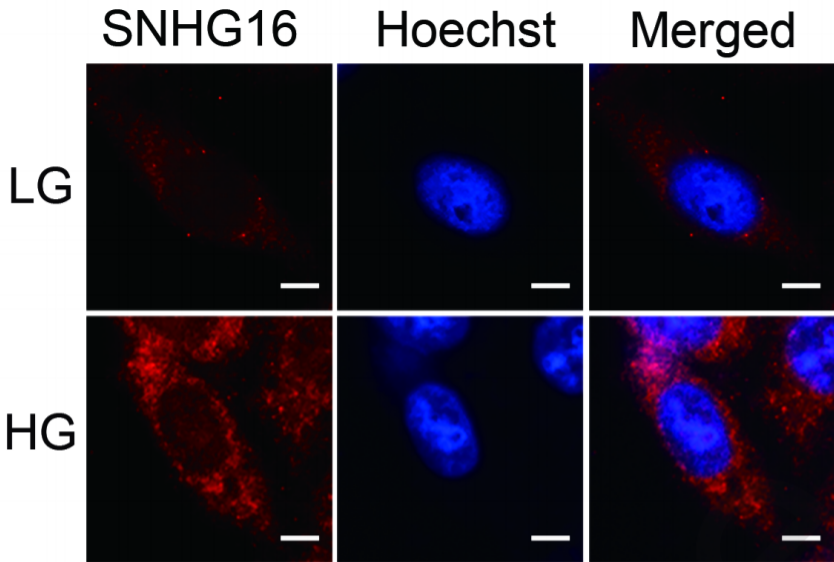
Image: SNHG16 subcellular distribution in hRMECs under low-glucose or high-glucose conditions.
In the first publication, investigators from Huazhong University of Science and Technology used our hRMECs in their diabetes research. Diabetic retinopathy has been shown to result from abnormal proliferation, migration, and angiogenesis of hRMECs in the retina. The researchers explored the role of long non-coding RNA small nucleolar RNA host gene 16 (SNHG16) in regulating hRMECs supplied by Neuromics in high-glucose conditions. After finding that SNHG16 likely plays a role in hRMEC dysfunction, they suggest their finding could provide a framework for diabetic retinopathy treatments.
You'll Love Our Pericytes and Astrocytes
Another day, another publication released using reagents from Neuromics. In this case, investigators used our human brain microvascular pericytes (Cat.# HMP104) and human brain astrocytes (Cat.# HMP202) when looking into the pathogenesis of malaria. You can find all publications using human cells & tissue from Neuromics here.
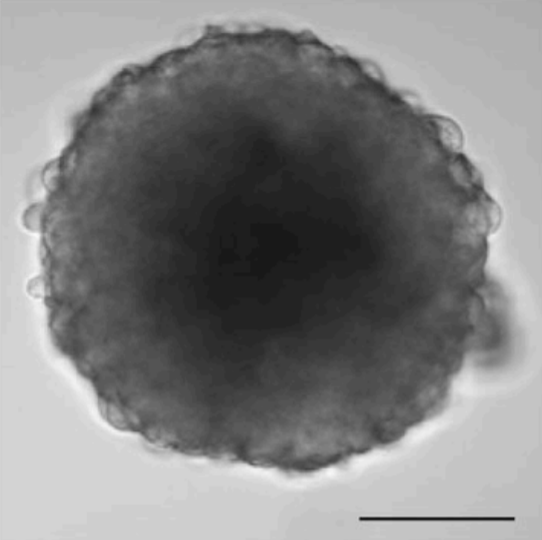
Image: BBB Spheroid with astrocytes and pericytes from Neuromics.
Researchers working together from the University of Copenhagen, Ispat General Hospital, and Harvard Medical School recently published their findings on the pathogenesis of cerebral malaria, one of the most serious complications related to malaria. Using human brain microvascular pericytes and human brain astrocytes from Neuromics to build a 3D spheroid model of the blood-brain barrier (BBB), they discovered that malaria-infected erythrocytes bind to brain endothelial cells. As a result, brain endothelial cells begin to swell, causing a breakdown of the BBB.
Our Human Schwann Cells Walk the Talk
At Neuromics, we strive to provide reagents that customers can trust. One of the ways we build trust is by highlighting published research using our products, showing that our reagents truly walk the talk.
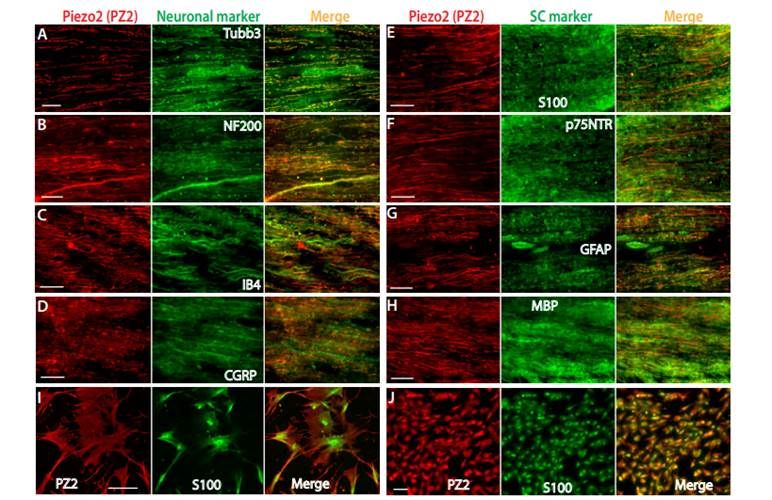
Earlier this month, researchers from the Medical College of Wisconsin and the Mississippi University Medical Center published their findings on the role of Piezo2 using human Schwann Cells (cat.# HMP303) from Neuromics.
Image: IHC delineation of Piezo2 (PZ2) axonal component and Schwann cell expression. In image I, Neuromics human Schwann Cells show double immunostaining of Piezo2 (red) and S100 (green). Scale bar: 50 µm for all.
Read more to learn about their findings...
Neuromics' Cells Used in COVID-19 Research
Better understanding the COVID-19 virus is key in developing therapeutics that could help end the pandemic. At Neuromics, we offer many reagents that can be used in COVID-19 research, including human cells, antibodies, and more.
Recently, researchers from Emory University released their preliminary findings on the pathogenesis of severe COVID-19 using our Human Small Intestine Endothelial Cells.
Image: Detected auto Ig levels in specific cell types, including our human small intestine endothelial cells (HSIMEC)
Learn more about their findings.
New ACE2-GFP Human Cells
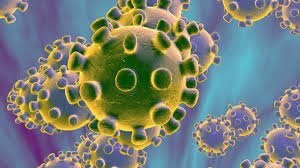
As the COVID-19 pandemic continues, we’ve added more human cells to our expanding list of products for COVID-19 research. Our new ACE2-GFP cell lines include smooth muscle, endothelial, and epithelial cells from organs that are most affected by the virus.
Studying how the coronavirus attacks these cells is crucial to understanding both the short-term and long-term effects of the virus. With these cells, researchers can better understand the underlying biology of the COVID-19 virus and its effects on the respiratory and pulmonary systems.
Read more to see the new cells.
Neuromics’ Colorectal Tumor and Pancreatic-Stellate Cell CAFs in Action
Neuromics’ cancer associated fibroblasts are some of our most popular cells. Because of their popularity and performance, they are often used in meaningful published research. In the past month, both our Human Colorectal Tumor CAFs (Cat.# CAF115) and Pancreatic-Stellate Cell CAFs (Cat.# CAF118) have been used in important research.
In a first of its kind study, the mechanical properties of our Colorectal Tumor CAFs was determined. Researchers developed a high-resolution microfabricated sensor which measures cell forces and tissue-stiffness and can apply mechanical stimulation to the tissue, which mimics a cancer tumor environment. Single and multicellular force dynamics of fibroblasts (3T3), human colon (FET) and lung (A549) cancer cells and cancer associated fibroblasts (CAF05) was measured. Tissue stiffness increased by 3 times within 24 hours. Understanding how these cells behave in vivo will help improve the efficacy of new cancer therapies.
Check out the video to the right to see our CAFs in Action!
Lung Cancer Associated Fibroblasts Publications
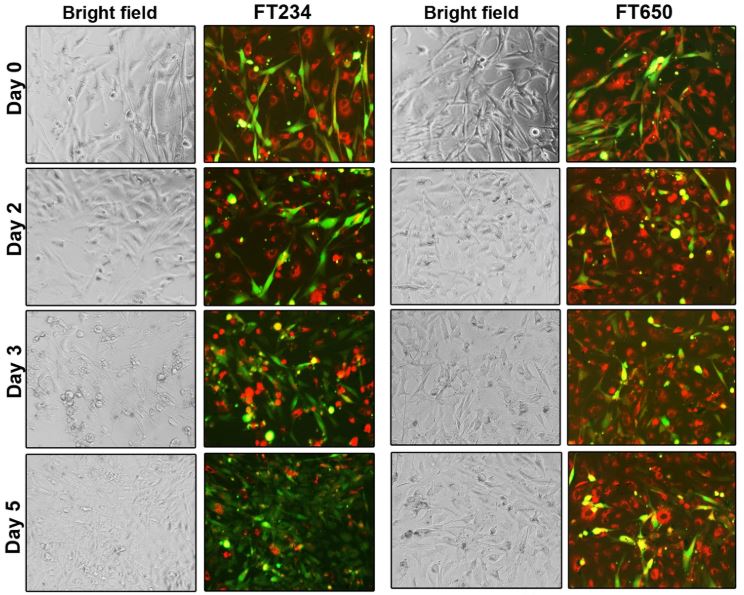
Neuromics offers a wide variety of cancer associated fibroblasts (CAFs) perfect for use in cancer research along with other areas of interest. In this post, we'd like to highlight our Lung Adenocarcinoma CAFs (cat. CAF117), which were utilized in two articles published in the past week.
Image: HDAC11 inhibitors prevent growth of cancer cells even in presence of CAFs. Treatment of 2D coculture of A549 (red) cells with primary lung CAFs (Green) (CAF117) with 10 μM of FT234 show that the HDAC11 inhibitor selectively reduces the growth of A549 cells as compared to the Control co-cultures in 48 h. Such an effect was not observed in the negative control FT650 treatment. Image courtesy of Namrata Bora-Singhal, et al. Novel HDAC11 Inhibitors Suppress Lung Adenocarcinoma Stem Cell Self-Renewal and Overcome Drug Resistance by Suppressing Sox2. Scientific Reports, 10:4722. doi: 10.1038/s41598-020-61295-6
Learn more about these recent publications...
New Tumor Cells
Neuromics is always striving to provide customers with human cells to incorporate into their research, especially cancer research. To complement our wide selection of cancer associated fibroblasts, we have recently added GFP and RFP expressing tumor cells. These new cells range across a variety of carcinomas, including glioblastoma, renal adenocarcinoma, gastric carcinoma, and prostate cancer.
Image: GFP expressing human renal adenocarcinoma (ACHN) cells (TR04-GFP).
Learn more about these cells...
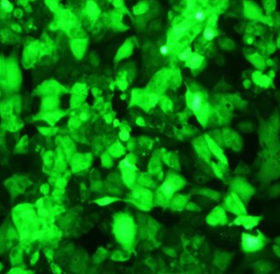
Fibroblast Compression and Tumor Cells Migration
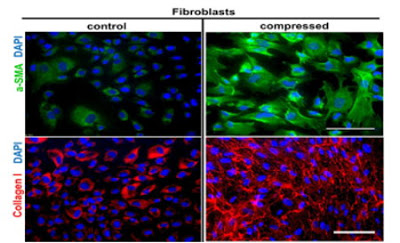
Check out this study using our Human Pancreatic Fibroblasts about the role of compression in metastatis.
Pancreatic fibroblasts are continuously gaining ground as an important component of tumor microenvironment that dynamically interact with cancer cells to promote tumor progression. In addition, these tumor-infiltrated fibroblasts can acquire an activated phenotype and produce excessive amounts of extracellular matrix creating a highly dense stroma, a situation known as desmoplasia.
First Image: Neuromics' Human Pancreatic Fibroblast in culture-Controls and Compressed.
Human Cells in Action
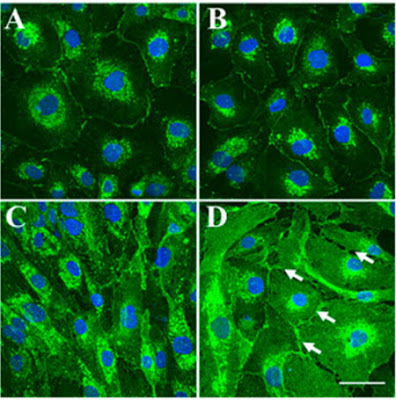
We have built the foundation of Neuromics on satisfied customers. We make a practice of following up with each user to make sure our solutions are working as expected. If not, we offer "no question asked" refunds or replacements. Additionally, we use reviews and publications as a measure of satisfaction. Here I would l highlight the latest publication using our Human Retinal Microvascular Endothelial Cells (HRMECs or HRMECs in T25 Flask).
Images: Effect of HG (high glucose) and pro-inflammatory cytokines on connexin43 expression in HRMECs. Immunohistochemical data showing connexin43 expression in (A) normal medium; (B) HG (25 mM); (C) pro-inflammatory cytokines (IL-1β and TNF-α 10 ng/mL each); and (D) a combination of HG and pro-inflammatory cytokines inducing a change in cell morphology with signs of cell swelling, possibly owing to hemichannel opening (indicated by white arrows).
HUVECS in 3-D Action
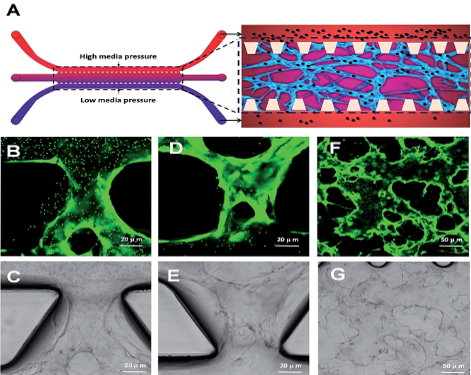
Form Vascular Networks in Microfluidics Model
In this study, the authors developed a 3D functional human microvascular network in a microfluidic device. The established model enables Neuromics GFP-labeled human umbilical vein endothelial cellsto form vessel-like microtissues and have physiological functions which are closer to cells in human blood vessels. The perfusable microvasculature allows the delivery of nutrients, and oxygen, as well as flow-induced mechanical stimuli into the luminal space of the endothelium. The microflow effectively mimic the blood flow in human vessels.
Long Term Cell Cultures
Non Perfusion Model
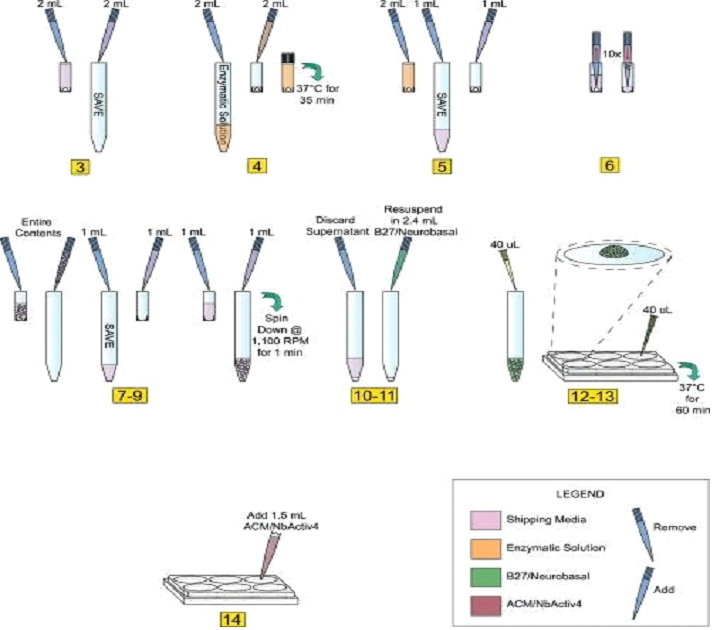
Perfusion models afford this, but are expensive, sensitive and require specialized expertise. Given this, I believed it a good time to represent a protocol that can be used for our primary neurons and can be extrapolated to many of our other primary and stem cells.
National Eye Institute's 3-D ROC Challenge
Are You Ready?
Neuromics is a proud Sponsor of this challenge. It enables us to further leverage our potent, proven and published 3-D Cell-Based Assay Solutions into drug discovery for eye-related diseases.
Our solution set includes 21-CFR Compliant human primary and stem cells and research ready custom and off the shelf 3-D Models. We also provide defined media and supplements.
Read more on Human Cells